






Where central Arizona’s water comes from
Bringing water to the Valley since 1903
For more than 120 years, SRP has been providing a reliable water supply to the Valley. It all started with Arizona’s first dam, Roosevelt Dam, and grew into a system of reservoirs, rivers, dams and canals that deliver water to millions of residents across Greater Phoenix.
Building a diverse, reliable water supply
Over the years, Valley residents, SRP and partnering organizations have invested heavily in the infrastructure necessary to create a resilient water supply.
Unlike most U.S. cities, Greater Phoenix has access to three water sources.
From our watershed to your home
Have you ever turned on the faucet and wondered, “Where does the water come from?” This is how water travels to you and how we manage it along the way.
150
260
7
1
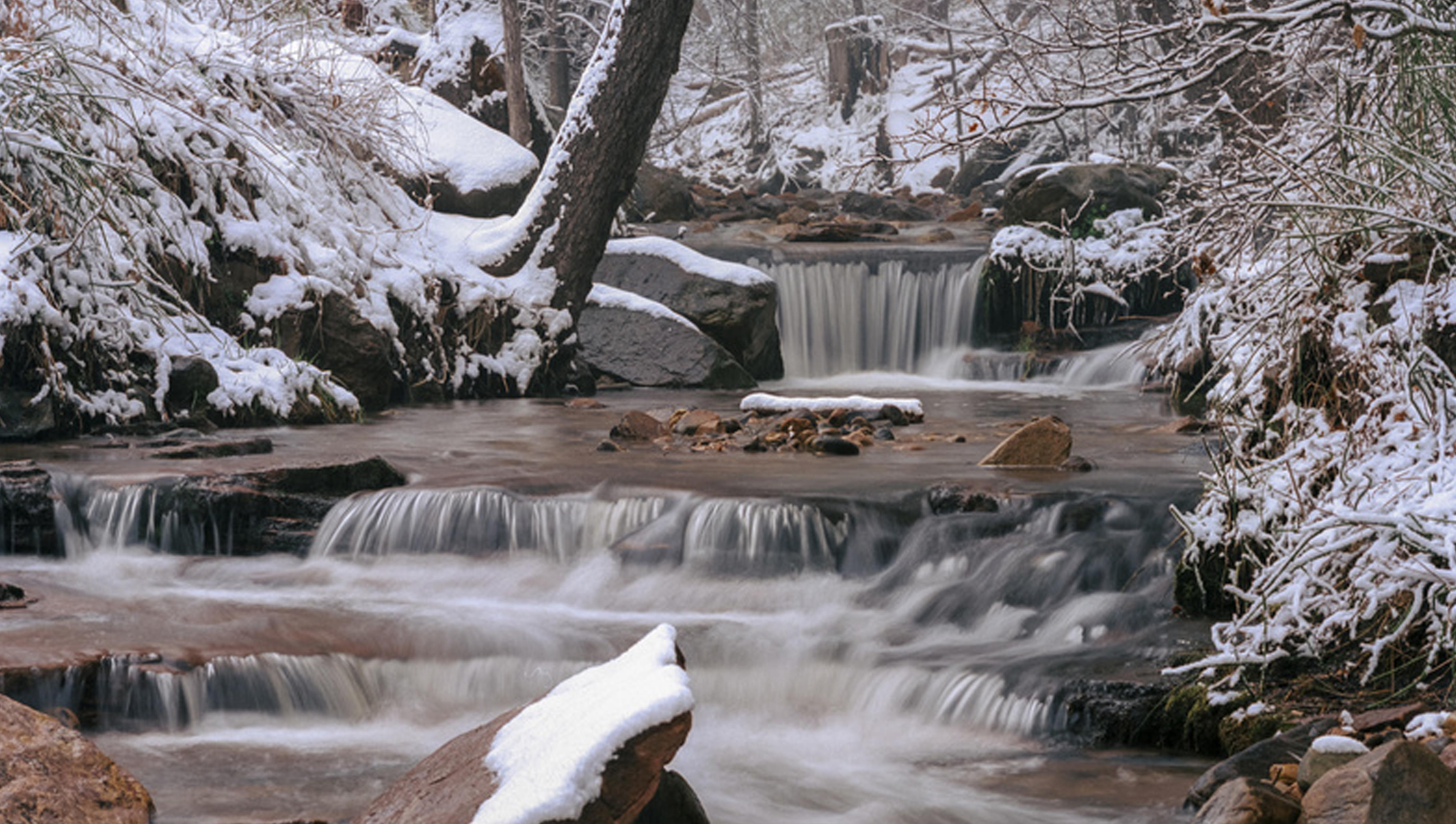
Your water begins as rain and snow in the forest
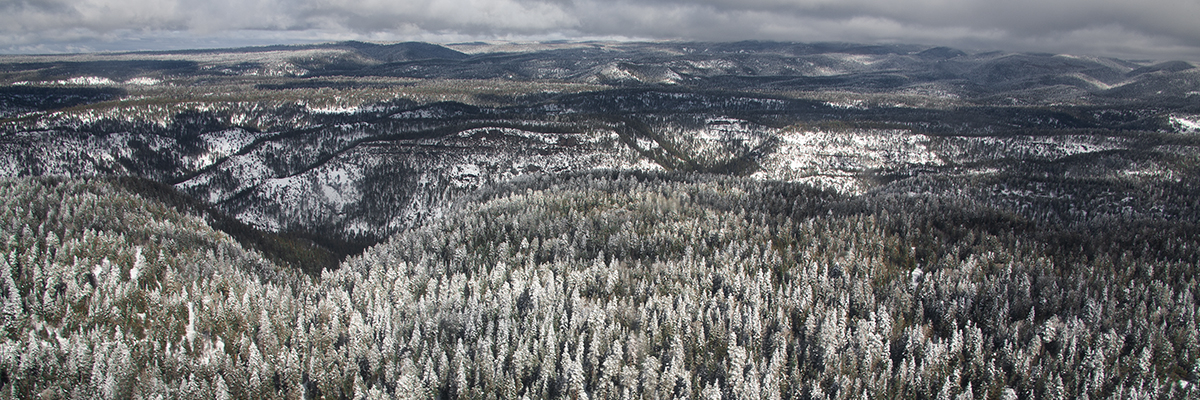
High in the mountains, in the forests of northern and eastern Arizona, lie the Salt and Verde watersheds. In the winter, snow collects across 8.3 million acres of this protected forestland.
In the spring, the snow melts and the journey of your water begins. These watersheds are the source of the water we use every day.
2
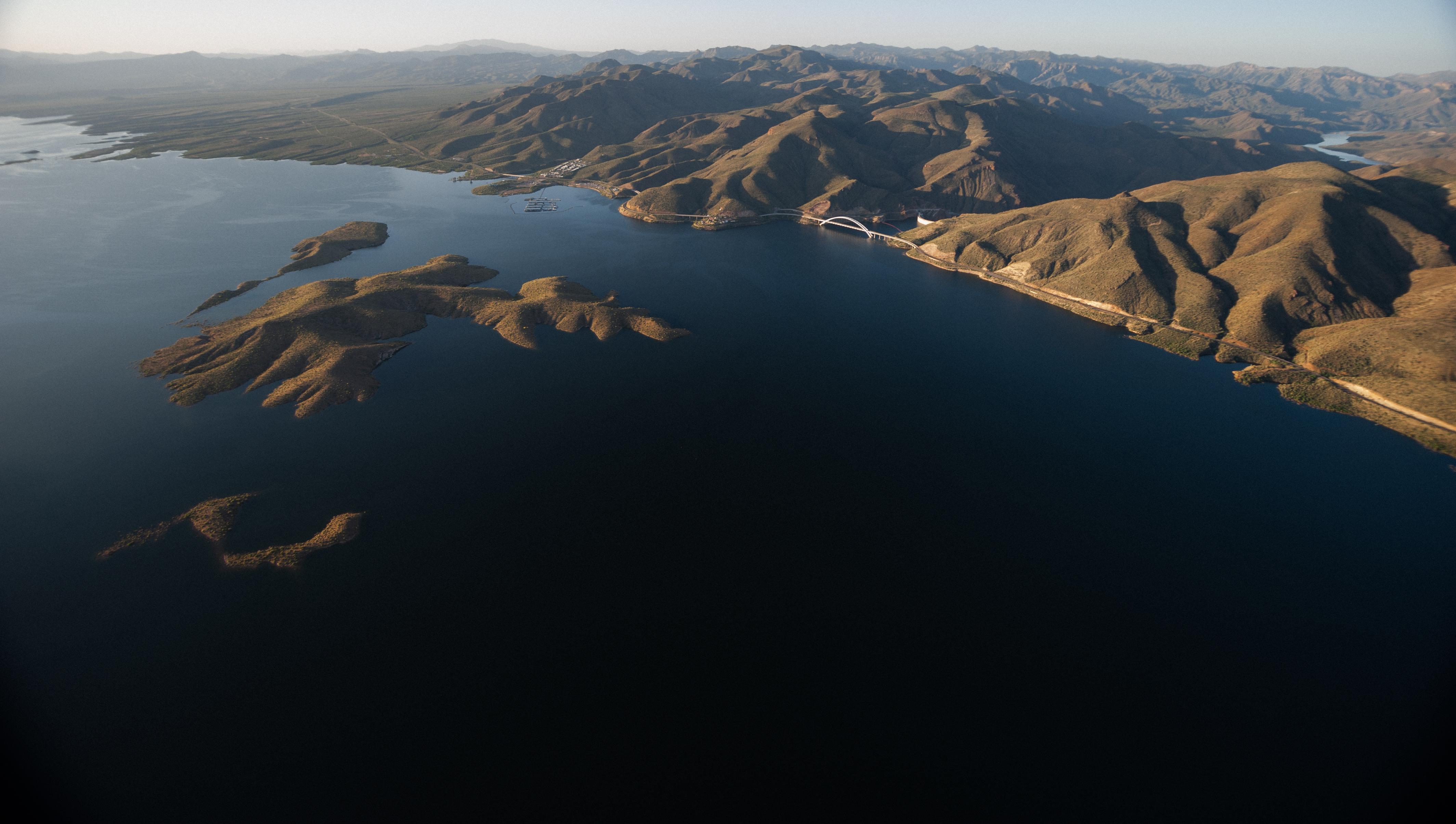
Dams help capture water in reservoirs
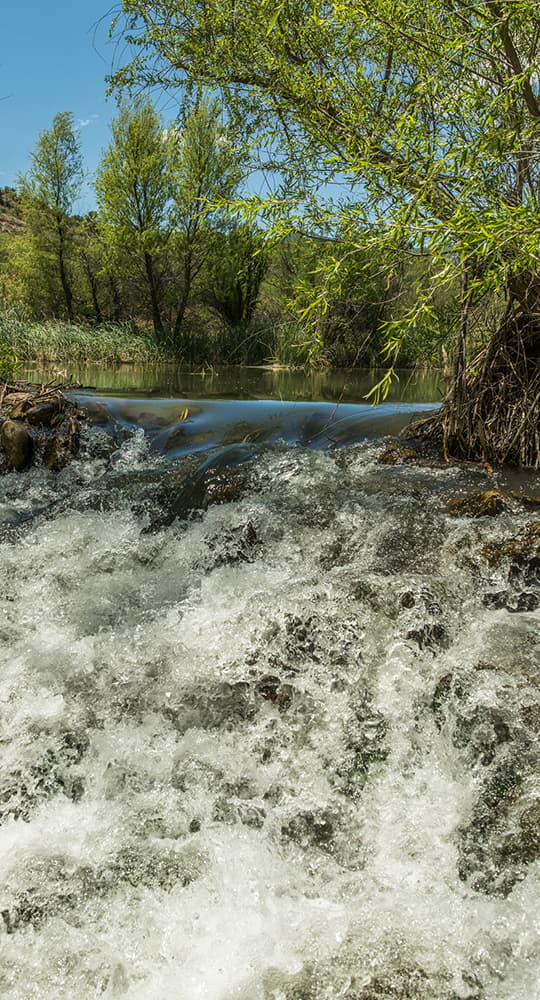
Melted snow travels down the mountains and into the Salt and Verde rivers, where it flows and is stored through a series of seven lakes, also known as SRP’s reservoir system.
Water collected in our reservoirs is then released through dams. The dams allow us to control the flow of water so we can manage floods and store it for times we need it like during periods of drought. Dams are also used to generate hydroelectric power. Explore dam and lake management.
3
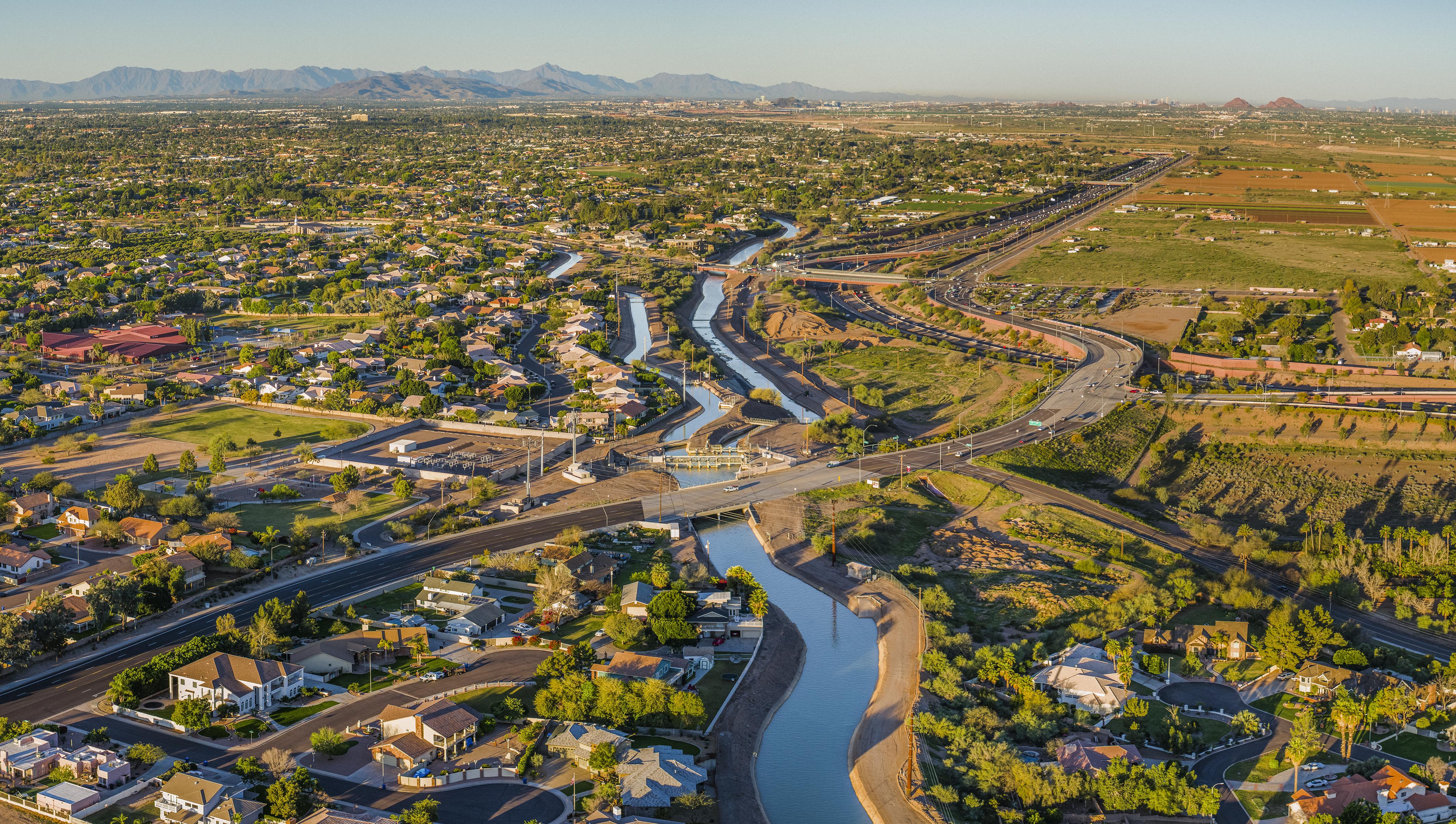
Water moves into our cities through a system of canals
SRP delivers water throughout our Valley to cities, farms and irrigation customers using a canal system of 131 miles.
The canals lead to water treatment plants and smaller waterways called laterals. The laterals are used to carry water to irrigation customers, including farmers. See how we manage and maintain canals
4
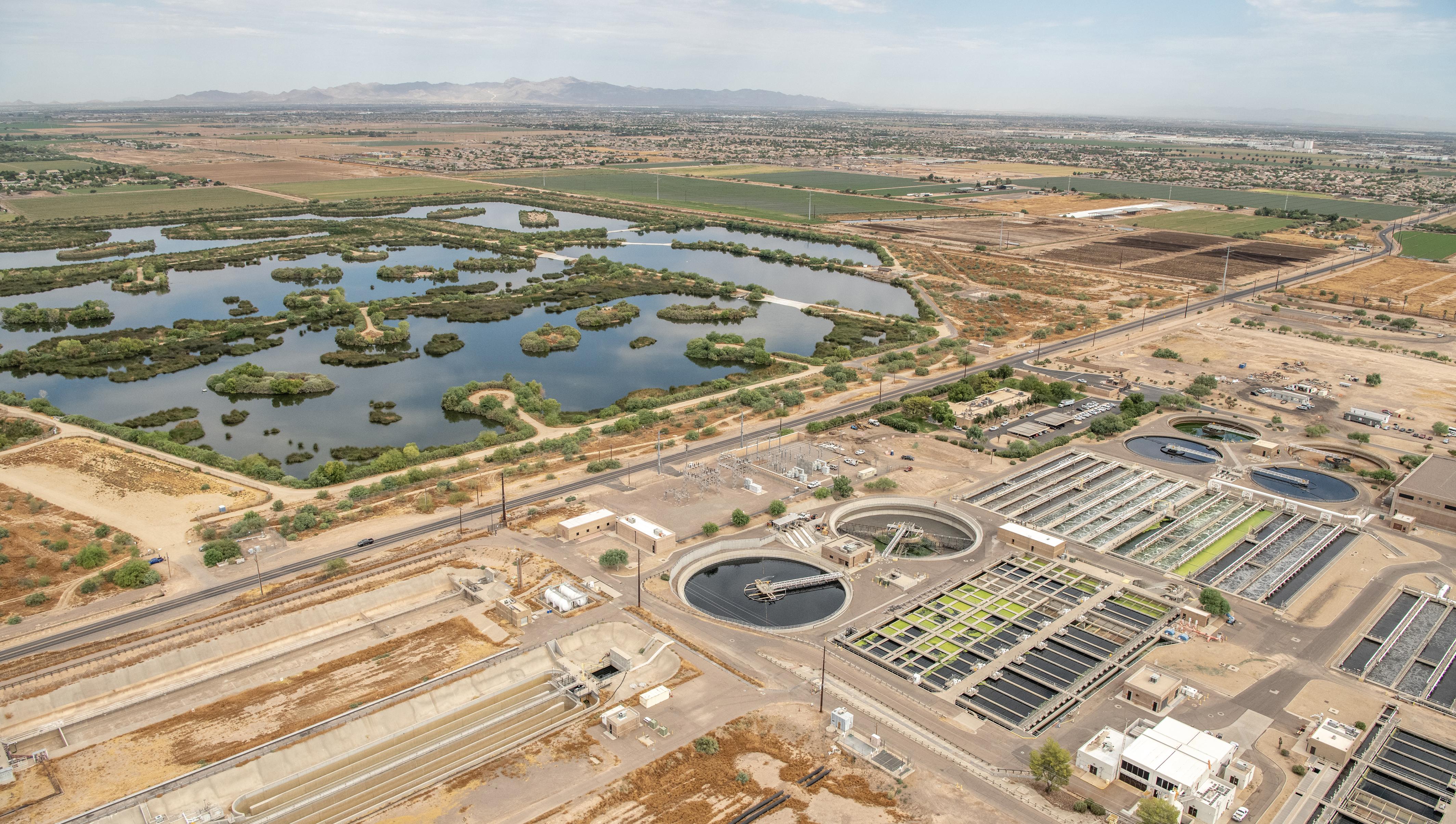
Water is treated to meet quality standards
The water we deliver to city treatment plants is treated there to meet water quality standards. Once treated, the water is delivered through underground pipes to your home.
Explore Arizona’s water journey
Explore the interactive map to learn the four key milestones of Arizona’s water journey and their locations across the state.
Per- and polyfluoroalkyl substances (PFAS)
PFAS are a group of chemicals widely used in many consumer and industrial products. Because PFAS break down very slowly, they persist in the environment for a long time. Scientific studies have shown that exposure to some PFAS may be linked to harmful health effects in humans and animals.
The U.S. Environmental Protection Agency (EPA) has established regulations for PFAS in drinking water. SRP does not provide drinking water but nevertheless is taking proactive steps to understand EPA guidance and regulations related to PFAS. Drinking water providers must test for PFAS in their systems by 2027 and meet the drinking water standards for PFAS starting in 2029. As a raw water provider, SRP delivers non-potable water to irrigation customers, municipal water providers and treatment plants. Municipal water providers and treatment plants treat the water to meet drinking water quality standards before delivering it to end users. SRP irrigation water is not treated prior to delivery, and it is not suitable for human consumption.
PFAS have been detected in the groundwater in some areas of the Phoenix metropolitan area, including areas where SRP has irrigation supply wells. Neither EPA nor the Arizona Department of Environmental Quality (ADEQ) has established regulations for PFAS in irrigation water. The Arizona Department of Health Services has indicated that water with PFAS concentrations above the drinking water standards may still be used for land irrigation.
SRP will continue to comply with all water quality standards applicable to its water delivery system and monitor developments from the EPA and ADEQ regarding PFAS.
For more information:
RELATED TOPICS
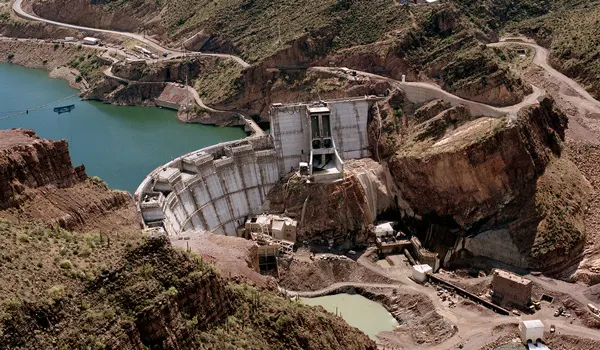
Driven to conserve water for a sustainable future
Through strategic partnerships, cutting-edge technology and innovative initiatives, SRP is dedicated to managing and securing the Valley's water supply.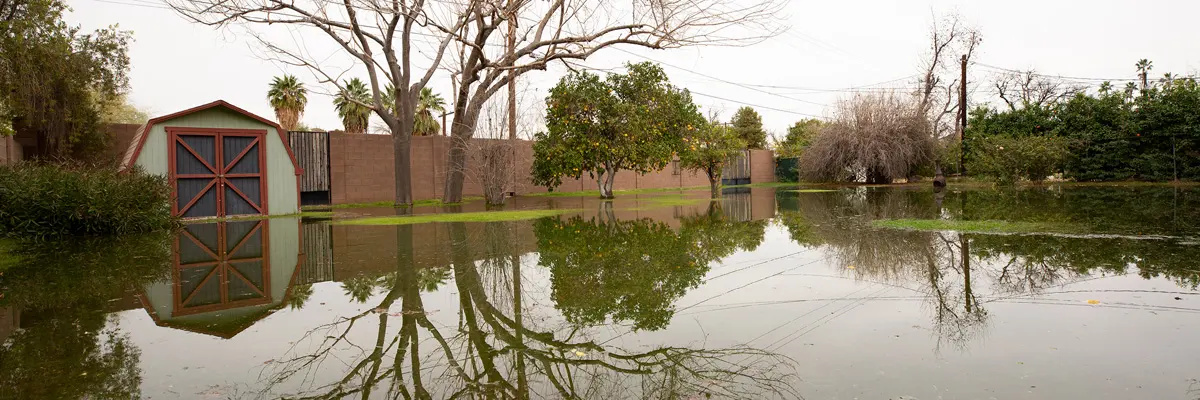
How flood irrigation works in the Phoenix area | SRP
Across the Greater Phoenix area, SRP delivers water to cities and irrigation customers using a system of canals. Learn about how that flood irrigation works.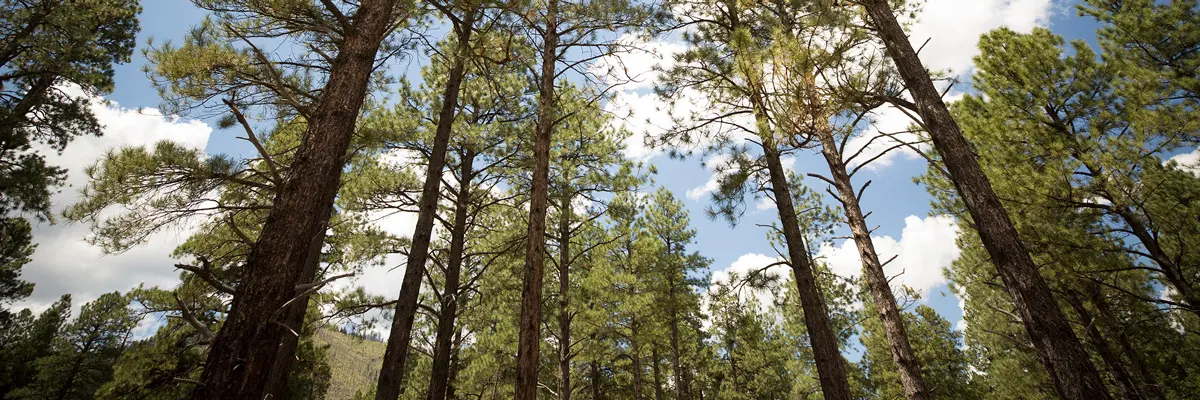
SRP Healthy Forest Initiative | SRP
Arizona’s forests and water supply face catastrophic threats from wildfires. Join the SRP Healthy Forest Initiative to prevent wildfires and protect our water.


