





Irrigation system maintenance and repair
Maintaining your neighborhood irrigation system
Your neighborhood irrigation system serves everyone best when you take good care of it. If it falls into disrepair, is obstructed or leaks, this could impact your water delivery or cause flooding. Find information to help you and your neighbors keep it in working order.
Maintenance tips
Each property owner in your neighborhood should keep an eye on irrigation valves, gates, berms and ditches. Here are some tips to keep them in good condition.
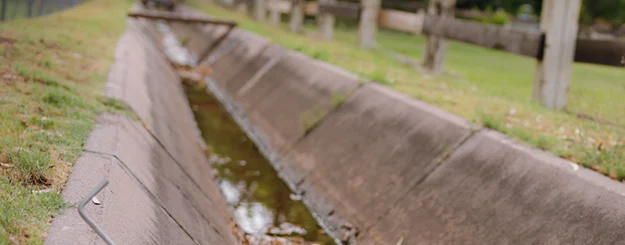
Keep it clean
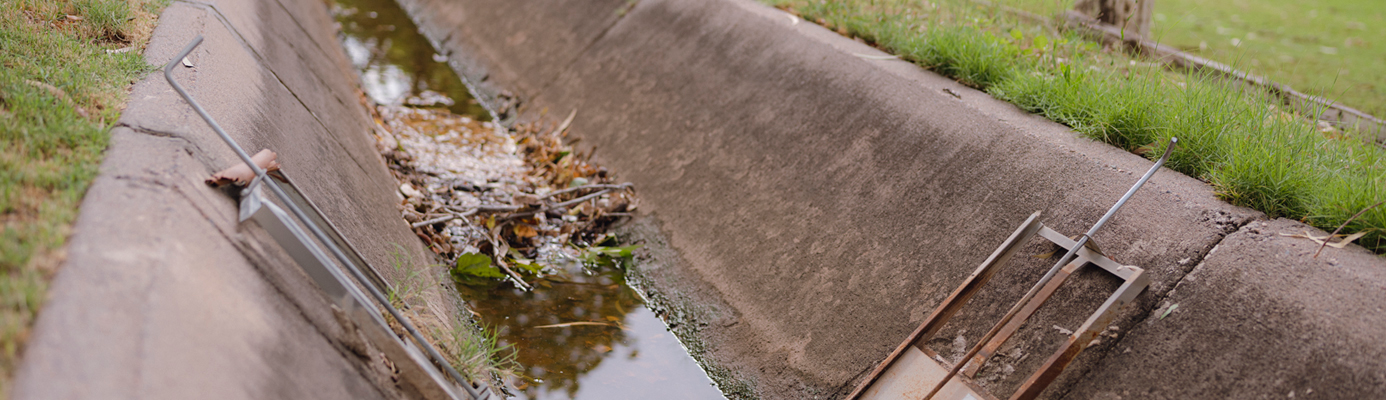
Weeds and trash can cause ditches to overflow and interfere with water deliveries. We suggest organizing regular neighborhood ditch cleanup days and following these cleaning and maintenance tips
- Clear out any grass, weeds or debris from your ditches.
- Shovel the bottom out 2–3 inches lower than the bottom of the head gates or pipe.
- Make sure trash gates are properly installed where open ditches flow into a pipeline.
- Cover your standboxes to keep debris from entering your system.
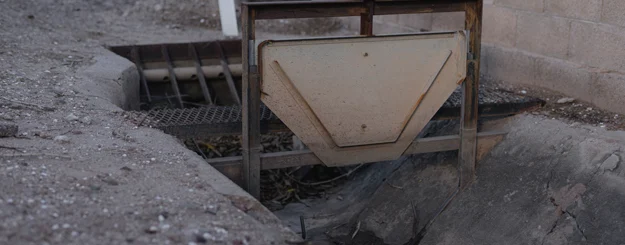
Watch for wear and tear
Like any mechanical device, the irrigation valve on your property is subject to wear and tear over time.
- Make sure valves are installed correctly and aren’t upside down. The side with the rubber gasket should be face down to create a seal against the supply pipe.
- Ensure the stem is long enough. When the valve is completely open, the opening should be about the height of four fingers stacked together. If the opening is not high enough or the stem is bent, replace the valve.
- Test the sealing gasket to make sure it is in good condition. If you press your thumbnail into it, the rubber should return to form.
Keep an eye out for these signs that your valve needs repair:
- Water is leaking from the top, even when the valve is closed.
- The top is visibly broken or cracked.
- The cover is missing.
- The concrete around the valve is cracked.

Twice the height
Berms are the raised barriers that help keep water on your property. The most common issue with berms is that they're too low to hold water or have been weakened from water pressure which can cause water loss and waste.
Follow these tips to help build and maintain good berms:
- Generally, your berms should be twice the height of the amount of the water you are receiving.
- Shovel dirt on the berm area needing repair.
- Mist the dirt with a fine spray of water, and then pack the dirt down gently with a shovel, a roller or your feet.
- Repeat the process until your berm is high and solid enough to hold all the water ordered within your property boundaries.
- Spread grass seed along the berm to help prevent soil erosion.
- If you need extra dirt, construction sites and pool companies are good places to reach out to.
Irrigation Maintenance Videos
Equipment and tools
We’re here to make irrigation as easy as possible. This guide shows flood irrigation tools and equipment you may need to use or install to keep your private system operational.
Hiring Help
If you or your neighbors come across damage that requires professional help, you can hire a contractor that specializes in irrigation repairs.
Although SRP can’t recommend or endorse specific contractors, we can offer tips to help you find the right one. Keep these in mind when you hire a professional:
What to request from a professional
At least three detailed estimates from licensed contractors. Prices and project components can vary significantly.
At least three references from prospective contractors. Speaking with at least three references will give you a good idea about the contractor's work and work ethic. If possible, you should also try to visit some of their recently completed projects.
What to require from a professional
To put all project expectations in writing. This will enable you to better protect your investment. If the expectations change during the course of the project, these changes should also be captured in writing.
Licensed contractors
Only hire a licensed contractor. You can verify the license status of a contractor or subcontractor quickly by calling (877) 692-9762 or visiting the Arizona Registrar of Contractors website.
- Check your contractor's status before you sign a contract and continue to check it periodically during the project as the status can change.
Make sure your contractor is bonded and insured. Make sure you understand the limits on your contractor's bonding and insurance to make sure your project is sufficiently protected.
Read all documentation carefully before you sign. It's important to understand everything you're agreeing to so that there are no regrets later.
Contractor and Supply List
Need help locating a contractor? Request a list of irrigation repair contractors by calling us at (602) 236-3333(602) 236-3333 or email us at [email protected].

Neighborly Collaboration
FAQ
You'll have different maintenance needs depending on the type of private system you have. Open ditch systems need to be cleaned out every other month in the winter and every other week in the summer. When grass, roots and other items build up, they push back on the water, creating resistance that could impact your water delivery.
When an open ditch system flows into a pipe, those pipes can get clogged. Anything broken or cracked should be fixed right away. When dealing with thousands of gallons of water, small problems can lead to big issues very quickly.
Every fall and winter, parts of SRP's major canals north and south of the Salt River are dried up to allow for construction, cleanup and repairs. This is the best time of the year to also plan annual private system repairs. For additional information, please visit srp.net/dryup.
Your private irrigation system is yours to maintain, operate and enjoy. Just like your car, you need to check its components and tune it up regularly.
RELATED TOPICS

Account management | SRP
Find all the info you need to pay your irrigation bill online, over the phone or in person.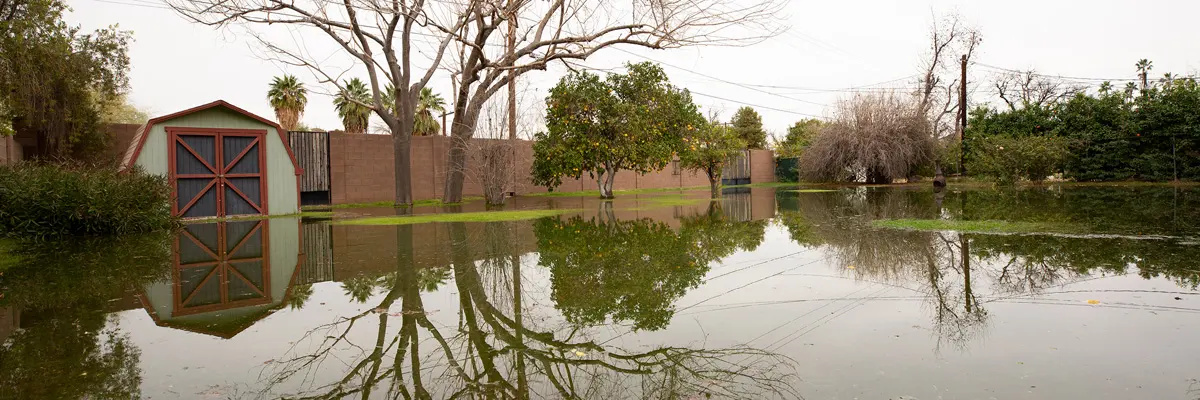
How flood irrigation works in the Phoenix area | SRP
Across the Greater Phoenix area, SRP delivers water to cities and irrigation customers using a system of canals. Learn about how that flood irrigation works.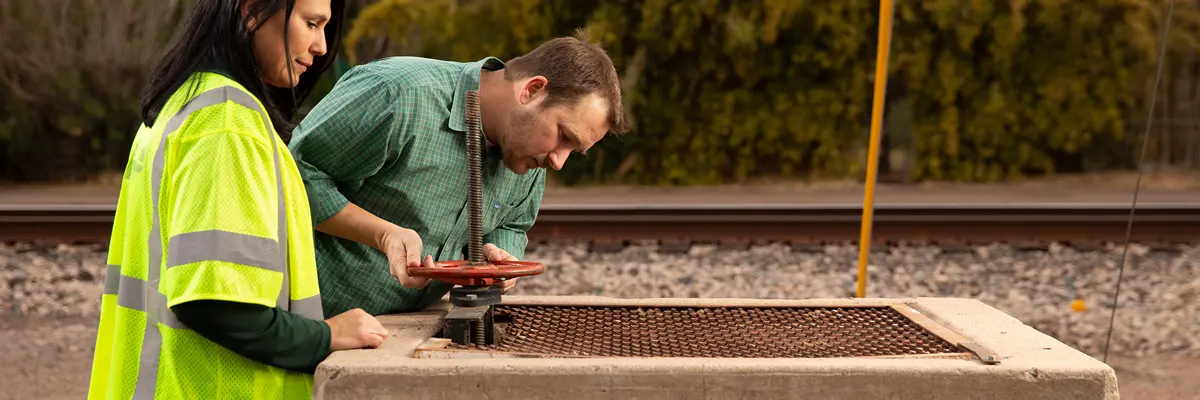
Forming an Irrigation Water Delivery District (IWDD) | SRP
An SRP Irrigation Water Delivery District (IWDD) is a way to collect funds for maintaining neighborhood irrigation systems. Learn how to establish one here.


