





Exploring new nuclear in Arizona
Exploring new nuclear in Arizona
Today, nuclear power generated by the Palo Verde Generating Station provides over a quarter of Arizona's electricity. It has been a safe and reliable source of power for Arizonans for over 40 years.
SRP believes that advanced nuclear holds tremendous potential as part of a balanced and reliable resource mix for meeting Arizona's future energy needs and supporting our clean energy goal of net zero emissions by 2050. SRP is working with Arizona Public Service (APS) and Tucson Electric Power (TEP) to explore the feasibility of adding nuclear generation in Arizona, including the formal evaluation of potential plant sites.
Frequently asked questions
Advanced nuclear holds tremendous potential as part of a balanced and reliable resource mix for meeting Arizona’s future energy needs and supporting the utilities’ clean energy goals. Arizona Public Service (APS), Salt River Project (SRP) and Tucson Electric Power (TEP) are working together to explore the feasibility of building additional nuclear generation in Arizona, including the formal evaluation of potential plant sites.
SRP, APS, and TEP have not committed to any specific nuclear technology and are evaluating small modular reactors (SMRs) and large reactor technologies.
SMRs are advanced nuclear reactors that are smaller than traditional nuclear power reactors, generating between 50 and 300 megawatts (MW) of energy per unit. For comparison, each unit at Palo Verde Generating Station, located west of Phoenix, can generate 1,400 MW.
The utilities will prioritize nuclear technologies that are commercially proven, have been safely and successfully deployed elsewhere, and are provided by suppliers with strong operational track records and demonstrated commercial viability.
SRP, APS and TEP will be utilizing industry guidance to evaluate sites throughout Arizona, including three existing coal generating station sites currently scheduled to close or cease coal operations.
The study uses a phased screening methodology to narrow down areas in the state to a short list of leading candidates, culminating with the selection of a preferred site and alternate sites.
As part of the site selection process, the utilities will conduct extensive stakeholder engagement and community outreach, including holding community meetings in potential locations for a nuclear generating site, to share information and seek feedback. These meetings are expected to take place in late 2026.
As stewards of one of the Phoenix metropolitan area's largest water supplies, SRP prioritizes water resiliency across all aspects of its business. Water availability of any potential site and water use by different nuclear technologies will both be critical considerations in our decision to build a new nuclear plant in Arizona.
The utilities will consider several factors before deciding to build a new nuclear plant, including the feasibility of potential sites, safety, economic impacts, community support, advanced nuclear technologies and financing options
The siting study is foundational to subsequent steps in the nuclear planning process. Once the study is complete, APS, SRP and TEP will evaluate technical, financial and other factors before determining if they will develop an Early Site Permit (ESP) application.
An ESP will identify and help resolve safety and environmental-siting issues early to reduce regulatory and financial uncertainties – helping reduce risks associated with a decision to move beyond the planning phase for new additional nuclear.
An ESP does not require a specific reactor design to be selected. It establishes a technical envelope that the future nuclear power plant must satisfy, taking into account a variety of factors that include water-use, local seismic hazards and potential for site flooding. If granted, the ESP is valid for 10-20 years.
Affordability for customers will be a major consideration in the decision to build a new nuclear plant in Arizona, and it's too early to know what the cost impacts would be. The utilities are exploring federal funding opportunities, which were established in recognition of the strategic role nuclear energy plays in a reliable and secure energy future for the United States.
Estimated Timeline for Early Site Permit Application Development
| Year | Action |
| 2026 | A site is formally selected and the three utilities decide whether to develop an Early Site Permit application. |
| 2027 | A site is formally selected and the Early Site Permit application process begins. |
| 2028 | Decision to submit an ESP application to the NRC. |
| 2030 | NRC decision on ESP application, if submitted. |
Learn more about nuclear energy
Nuclear Energy Institute
nei.orgAmerican Nuclear Society
ans.orgPalo Verde Generating Station
paloverde.comU.S. Nuclear Regulatory Commission
nrc.govDepartment of Energy – Office of Nuclear Energy
energy.govIn the news
Arizona Electric Utilities Team Up to Explore Adding Nuclear Generation
APS, SRP, TEP will assess options to meet growing energy demand
APS, SRP and TEP Continue Nuclear Exploration for Arizona
Preliminary siting study underway as Arizona weighs future power needs
Contact us
If you have questions about the project, please complete the form below, call (602)236-2872(602) 236-2872 or email [email protected].
RELATED TOPICS
Grid management and improvement projects | SRP
Discover the major power plants and generating facilities SRP is planning and constructing to provide reliable energy for the Valley’s future.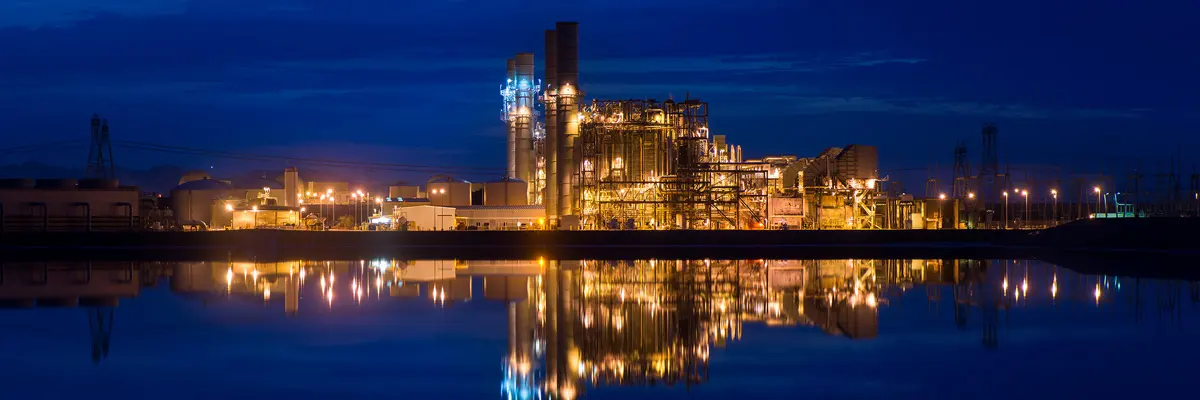
Our power generating stations and plants in Arizona | SRP
SRP is involved in a number of major power plants and generating facilities in Arizona and the Southwest. Learn about each generating station here.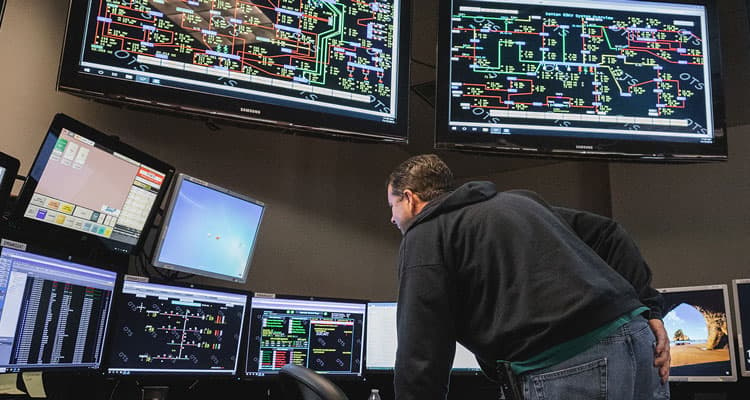
Integrated System Plan (ISP) | SRP
Reliable and affordable power.


