






Installing your electric vehicle (EV) charger at home
Supporting your charging choices
Installing a charger at home is an investment in your EV journey that allows you to conveniently and cost-effectively charge your EV. The total cost typically ranges from $500 to $2,000 for standard installation, depending on factors like electrical work, permits and labor.
Here are some things to consider as you get started:
- Understand the maximum charge speed your vehicle can accept to appropriately size your charger.
- Ensure the cord is long enough based on where the charging port is on your EV and the location of the charger.
- When determining charger placement, consider the distance from the utility panel and the location of charging port on your EV, as this will increase your cost.
DIY vs professional
A DIY installation is possible for simple plug-in chargers like the L1 or if you already have an existing L2 in your home.
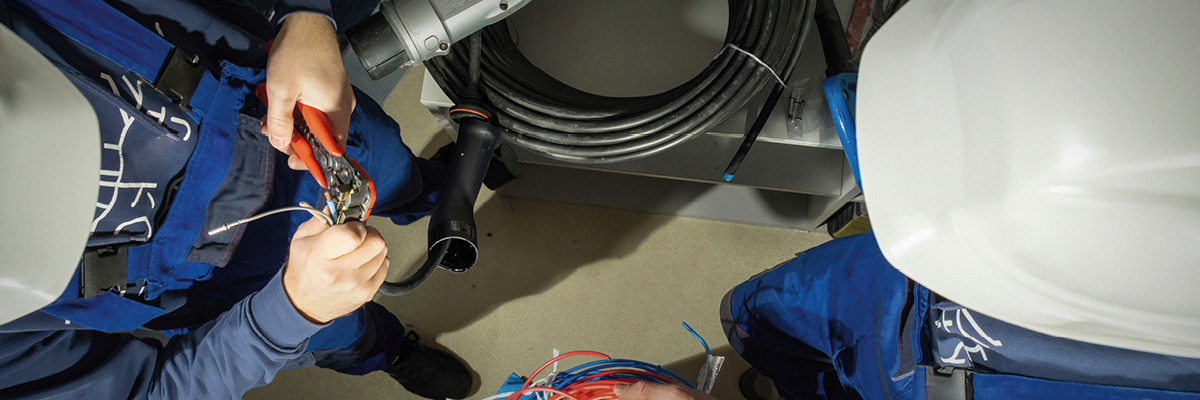
If you decide to install an L2 charger and don’t have access to an existing 240V outlet, it’s strongly recommended that you hire a professional. Hiring a professional ensures compliance with local codes, safety standards and warranty protection.
Choosing an installer
Here are some tips for choosing a professional installer:
- Look for licensed electricians (Opens in a new tab), specifically experienced in EV chargers.
- Check the installer’s certifications.
- Read reviews and confirm they handle permits and inspections.
What to ask your installer
Proper installation of your charging station will help keep you safe and ensure your charger is working properly. Here are some questions to ask your electrician:
Question | Why you should ask | |
|---|---|---|
Do you have experience installing home EV chargers? | Even the most experienced electricians may not be familiar with the specific requirements of EV charging stations. | |
Do I need to upgrade my electrical panel? | EV chargers require a dedicated circuit. If you don't have an available circuit, you may need to have a sub-panel installed. | |
Does my city require permitting and inspections? If so, will you (the electrician) submit the necessary permits and oversee the inspections? | Not all electrical work or installations require permits and inspections. Determine what will be required and how the electrician can help with this process. |
Permitting and inspection requirements may vary depending on where you live. Check with your municipality for more information. SRP has worked with local cities to create an EV installation plan to help simplify the permitting process.
Qmerit
Ready to install your Level 2 home charger? Qmerit (Opens in a new tab) is SRP’s trusted partner for home charging installation by connecting you with certified, experienced local professionals to install your home charger. With upfront estimates and ongoing support, their turnkey installation services ensure the highest quality and a seamless customer experience.


