






Watershed management
Healthy forests are key to the watershed
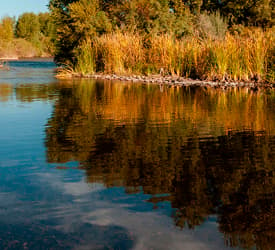
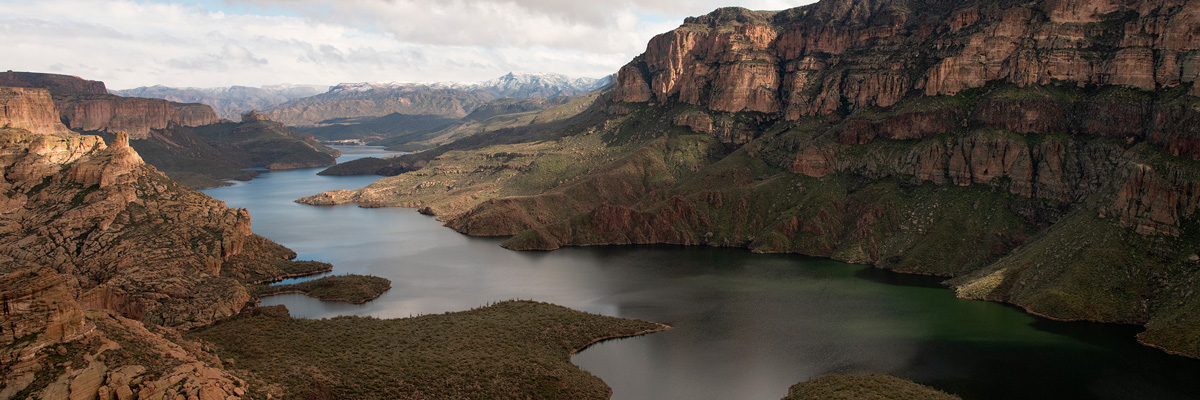
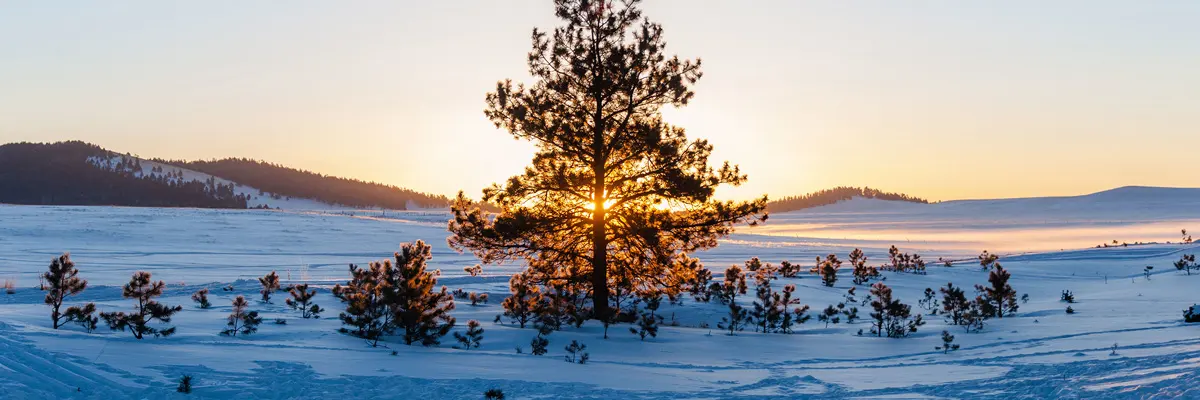
A watershed is an area of land where rain and snowmelt drain into a stream, river, lake or reservoir. The Salt River, Verde River and East Clear Creek watersheds provide the water that fills SRP reservoirs and helps sustain the Valley's water supply.
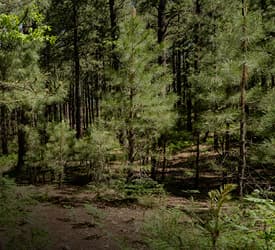
Healthy forests are essential to healthy watersheds and help protect water quality, reduce erosion and support long-term water reliability. Each component of a forest, from the tree canopy to the soil, serves a function in the storage and filtration of the water that passes through it.
- The forest canopy’s shade prevents snowpack from melting too fast, thereby "storing" the water for when it is most needed — spring and early summer.
- The vegetation, streams and rivers filter the water, removing debris and sediment.
This natural system results in a steady and sustainable supply of water flowing into the reservoirs on the Salt and Verde rivers (Opens in a new tab) downstream.
Tour the watershed
In our Watershed video series, we explore these 13,000 square miles where your tap water begins as rain and snow.
The threat of megafires
Historic fire suppression policies, climate change and drought all pose threats to the resiliency of our forests.
Arizona's forests are unhealthy and overgrown, and without action, catastrophic fires are almost a certainty — putting the state's physical beauty, economic vitality and water supplies at risk.
Since 2000, more than 3.5 million acres of forests in or around the Salt, Verde and East Clear Creek watersheds have been burned by wildfires, including megafires such as the Rodeo-Chediski and Wallow fires.
Historically, small fires were a natural part of the ecosystem in Arizona's forests, removing excess vegetation and improving soil conditions. As forest management policies changed to suppress fires, vegetation built up. This history of fire suppression has led to overgrown forests. For example, in the East Clear Creek Watershed, the number of trees grew from an average of 100 per acre to today’s ranges that can be up to 6,000 trees per acre.
Overgrown forests create more fuel for catastrophic wildfires. This results in scorched landscapes, which cause a breakdown in the natural storage and filtration the forest once provided and leads to the following issues:
- Snowpack is exposed to excessive sunlight, causing it to melt more quickly.
- Runoff from fire-scarred areas brings ash and debris with it.
- The debris from wildfires settles at the base of the dams, reducing reservoir capacity and affecting water quality, placing a strain on water treatment facilities.
Forest thinning is the process of removing the excess trees and brush.
Working toward healthy forests
The problem is now so large that millions of acres of Arizona’s forest are at risk of high-severity fires. Because of this, we are increasing our focus on supporting efforts to strategically thin forests to prevent catastrophic wildfires.
A cross-departmental team of SRP employees has been working on solutions that focus on prevention through strategic forest thinning. As part of this effort, SRP has worked tirelessly to forge partnerships with organizations across the state.
Restoration partnerships and projects
The good news is there are ways to restore Arizona’s forests. From the Four Forest Restoration Initiative that began in 2011 to the SRP Healthy Forest Initiative™ that launched in 2020, valuable partnerships have helped enhance the health of our forests.
SRP matches customer contributions to the SRP Healthy Forest Initiative up to $200,000 per year and uses 100% of funds to help implement forest restoration projects.
Key partnerships
Forest thinning work has been slow to take root, and the problem isn't contained to the national forests that are the focus of the Four Forest Restoration Initiative. Private, state, tribal and U.S. Bureau of Land Management lands are also affected.
To address this, SRP is working with other groups to increase the pace and scale of forest thinning by collaboratively funding and implementing forest restoration projects. Some of SRP’s partners are listed below.










RELATED TOPICS
Where your water comes from in the Phoenix metro area | SRP
Central Arizona’s water supply comes from three main sources — the Colorado River, the Salt and Verde river systems and groundwater. Learn more here.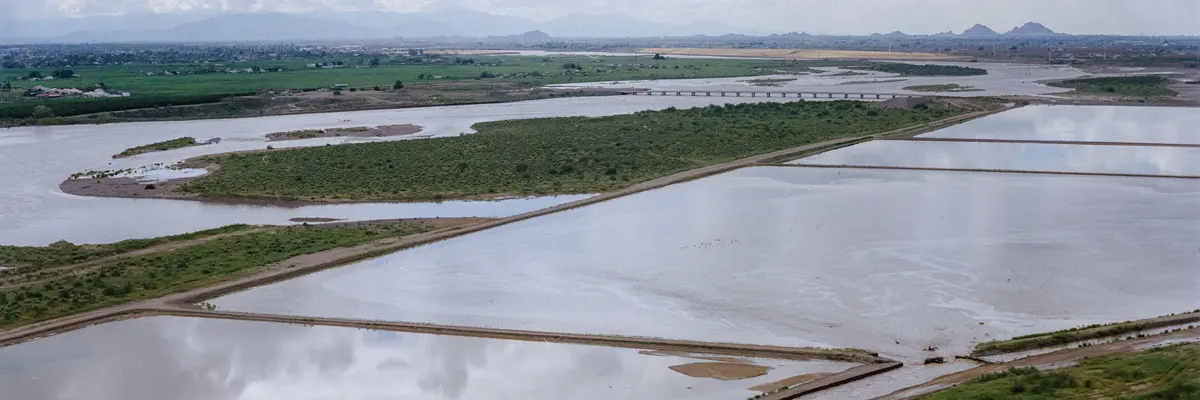
Managing water and drought in the Arizona desert | SRP
Learn about SRP water management in the Greater Phoenix area and how we're building a water supply that’s drought-proof for generations to come.
Driven to conserve water for a sustainable future
Through strategic partnerships, cutting-edge technology and innovative initiatives, SRP is dedicated to managing and securing the Valley's water supply.


