



Partnerships with tribal communities
On this page:
On related pages:
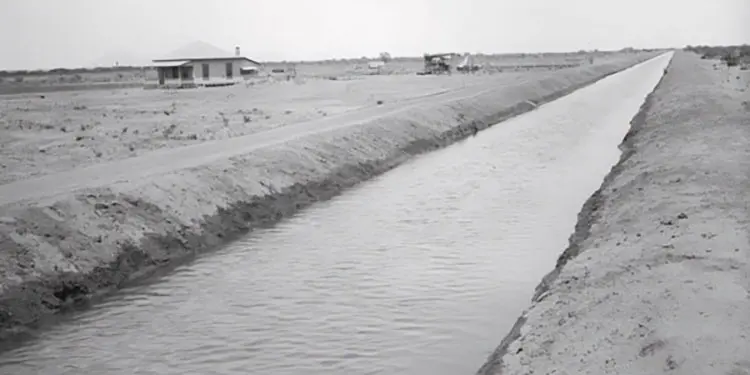
Ancient roots of Arizona’s canal system
Our history is tied to the Indigenous peoples of Arizona. From A.D. 600 to 1450, the Hohokam constructed the state’s first canal systems in the Salt River Valley to irrigate their crops. What they built laid the groundwork for the Valley’s modern-day canal system.
Collaborating with Arizona’s tribal communities
SRP is committed to meeting the water and power needs of our state’s tribal communities and will continue to collaborate with them to do so.
$250K
1,000+
55
Resources to support future generations
SRP is proud to provide power and water to several tribal communities across the state. In addition to those services, we offer a wide variety of support to assist these often underserved communities.
Community Grants
Tribal communities are eligible to apply for SRP grants to help develop new strategies and programs that drive forward sustainable, successful futures.

Utility Grant Funding Program

Grants for Native American Teachers
Community Giving
SRP has been a proud member of the community for more than 120 years, and we show that pride by providing support for local nonprofits.
SRP donates over $5 million every year to support basic needs, education and community enrichment programs to help our future workforce grow.
Creating a culturally diverse workforce
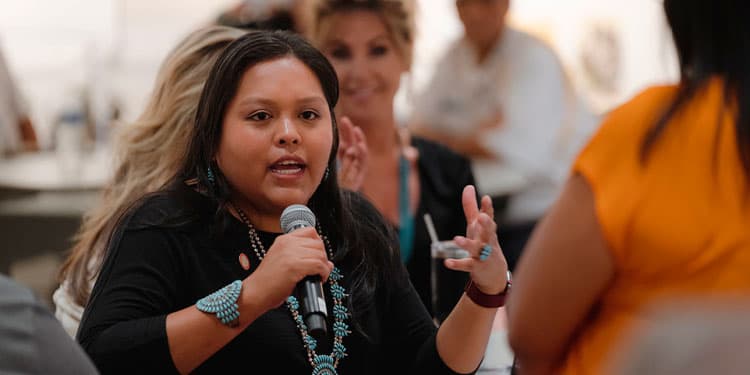
SRP strives to cultivate a workforce that reflects the communities in which we live and work. This diversity provides unique perspectives and solutions that better serve our customers.
Here are more steps we're taking to create an organization where the voices of tribal communities are heard.
Empowering Native American Employees at SRP
SRP is home to the Native Americans Together in Vision and Empowerment (N.A.T.I.V.E.) Employee Resource Group (ERG), an employee-led voluntary group made up of Native and non-Native allies formed in 2019.
The ERG offers a place for employees to find connection and support. Members also organize events and activities that bring cultural awareness to SRP employees of all backgrounds working to celebrate diversity across the organization.
Supplier Diversity
SRP is committed to working with a diverse coalition of business partners. By engaging with Native American-, woman-, minority- and veteran-owned businesses, as well as LGBTQ and small local businesses, we’re working to foster economic empowerment and provide a sustainable supply chain marketplace for goods and services.
Light Up Navajo provides power to Navajo Nation
Beginning in 2019, crews from SRP along with 24 other utilities and led by the American Public Power Association (APPA) (Opens in a new tab) and Navajo Tribal Utility Authority (NTUA) (Opens in a new tab) participated in a project called Light Up Navajo. SRP donated employee time, line trucks, digging equipment and a mechanic service truck toward the project.
The project has grown, with more than 1,000 homes getting electrified and 48 utilities from across 21 states participating. In 2025, Light Up Navajo helped set 153 poles, 83,601 feet of primary conductor and 892 feet of secondary conductor with main feed lines available for any future growth. The effort continues to bring power to some of the 10,000 homes beyond SRP’s service territory on the Navajo Nation that do not have electricity.
"Connecting the wonderful families of the Navajo Nation to reliable power for the first time is an experience like none other."
- Robert Horn, Senior Manager, Distribution Line Maintenance, SRP
Partnerships with tribal communities
SRP has long-standing relationships with many Native tribes, and we work together to protect our watershed, bring energy to the region and develop new conservation strategies.
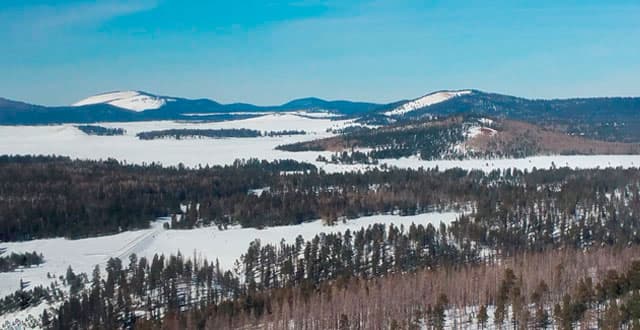
SRP researches cloud seeding in White Mountains to create snow amid historic drought
Learn more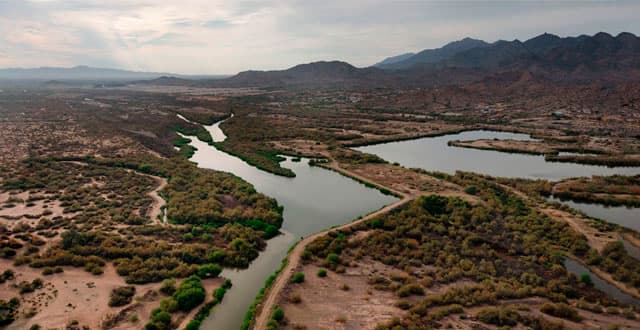
Gila River Indian Community innovates for a drought-ridden future
Learn moreRELATED TOPICS
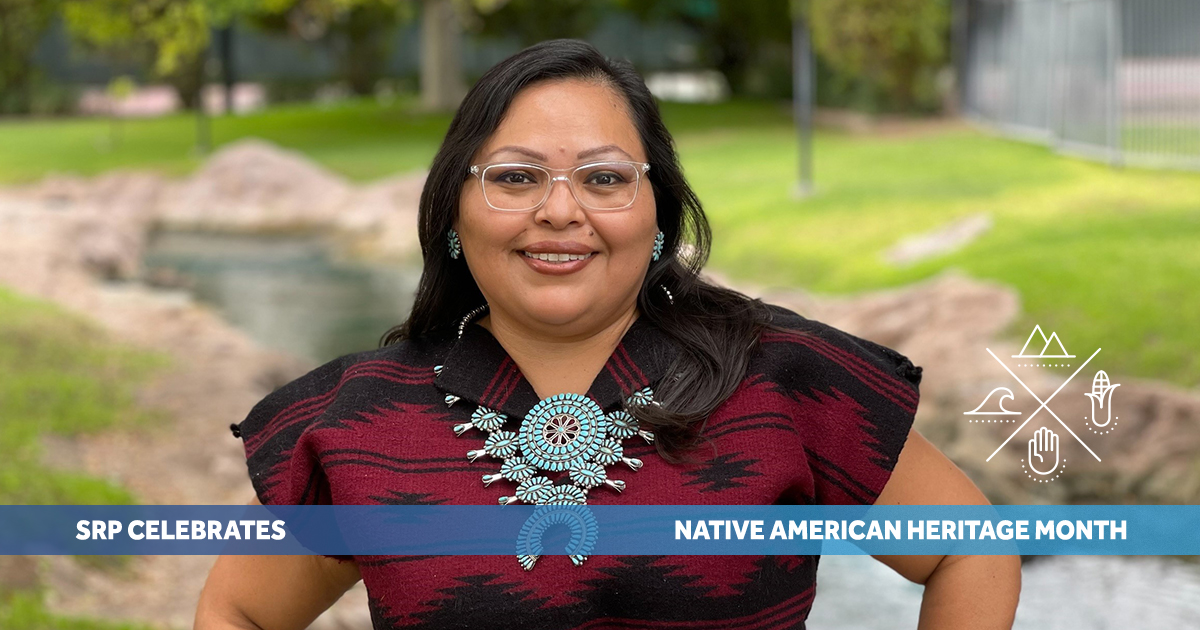
Inspiring cultural awareness at SRP
Celebrating employee heritage.
Honoring Native American culture
Celebrating employee heritage.
Retraining former coal plant employees
From industrial to technology.


