






Managing the Valley’s water during droughts
What is a drought?
A drought is defined as a period of time with reduced precipitation. Meteorologists also determine droughts based on soil conditions and streamflow.
The Valley has been experiencing drought since 1996, yet it continues to thrive. In fact, SRP was first formed to help manage drought and water supply. Our history is deeply rooted in the planning and managing of water for the Valley to ensure a reliable supply for the future, even in a changing climate.
Being prepared for Arizona’s drought conditions
Will we run out of water? In short, no.
Living in the desert requires careful water management. At SRP, we are committed to strategic drought planning and responsible water allocation to reduce the risk of shortages. For more than 120 years, we have been successfully meeting our customers’ needs. By tracking and planning for Arizona’s current drought and the ones to come, we can maintain a reliable water supply well into the future.
How reservoirs support a resilient water supply
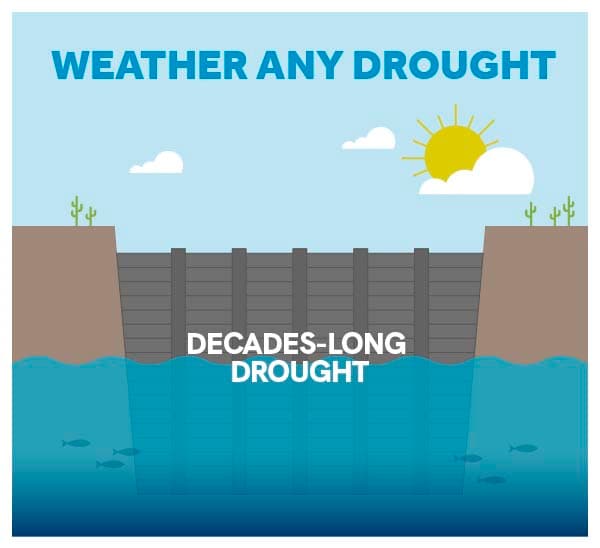
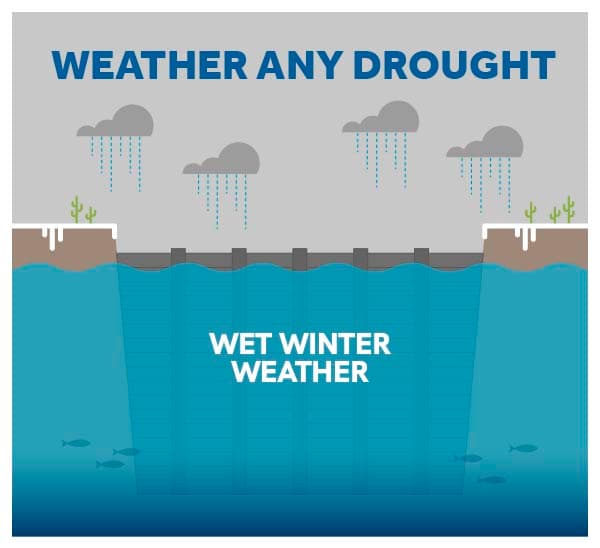
Storing water in the reservoirs, careful and proactive planning and continuous monitoring are the three core elements of SRP’s water management strategy. With our system of seven reservoirs and groundwater resources, we help ensure water is available when needed most.
Managing surface water for the Valley
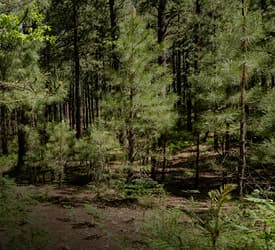
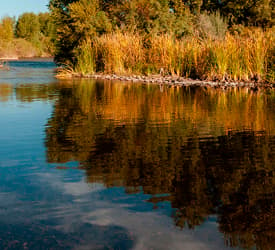
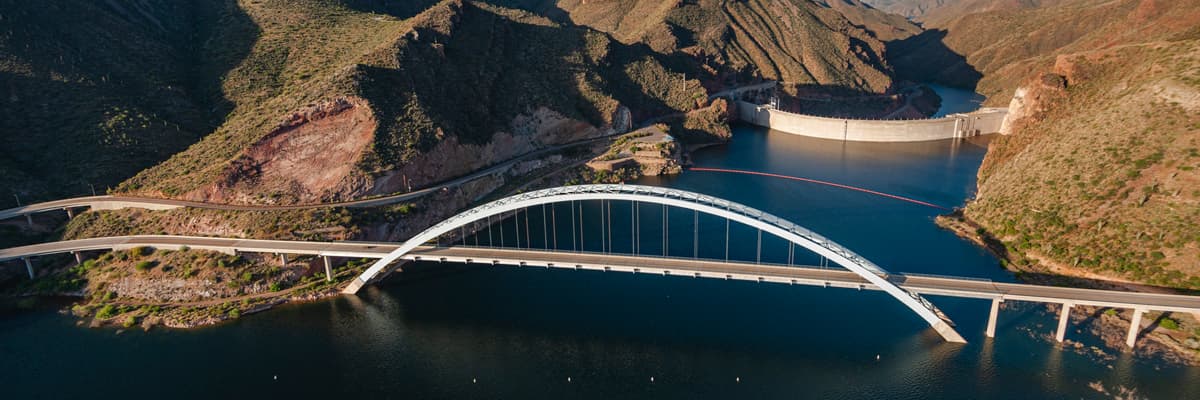
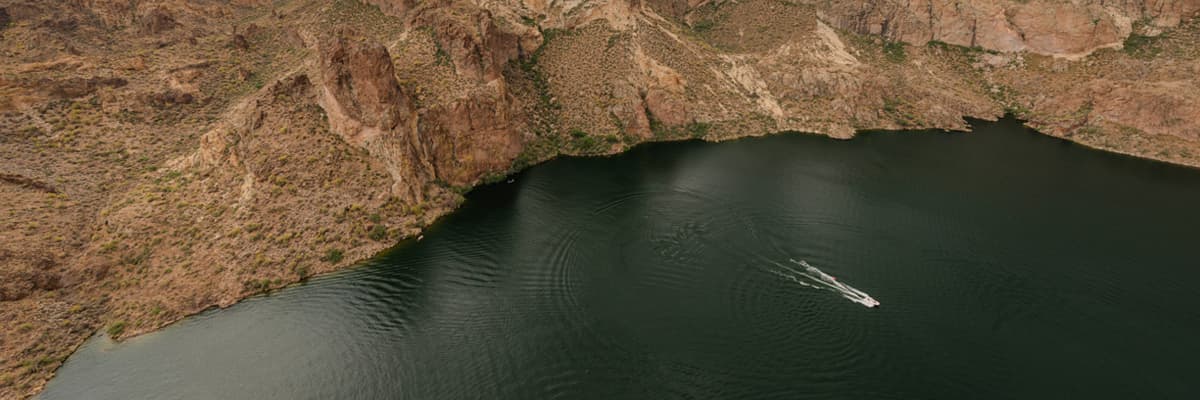
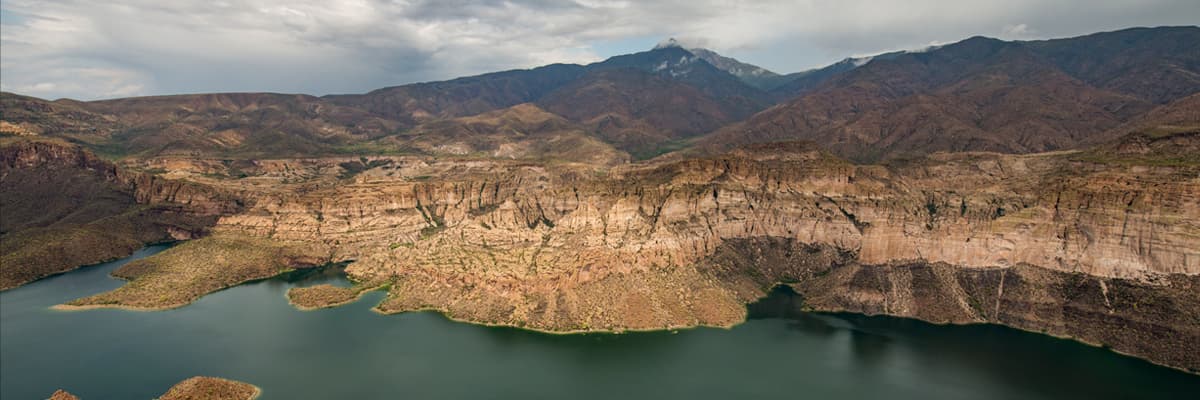
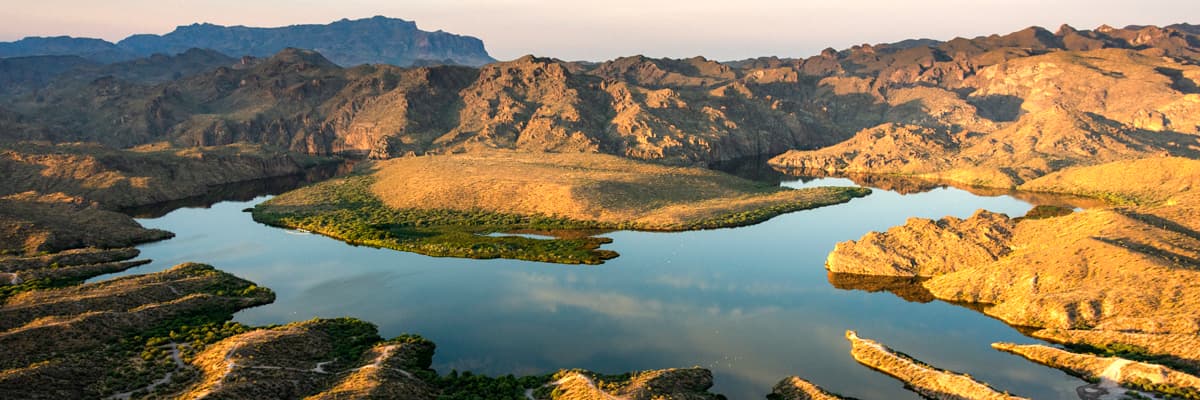
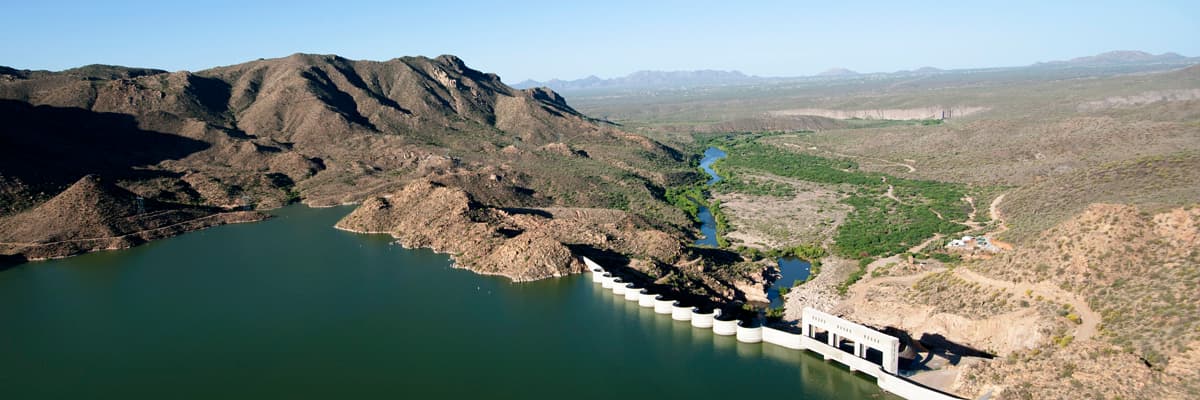
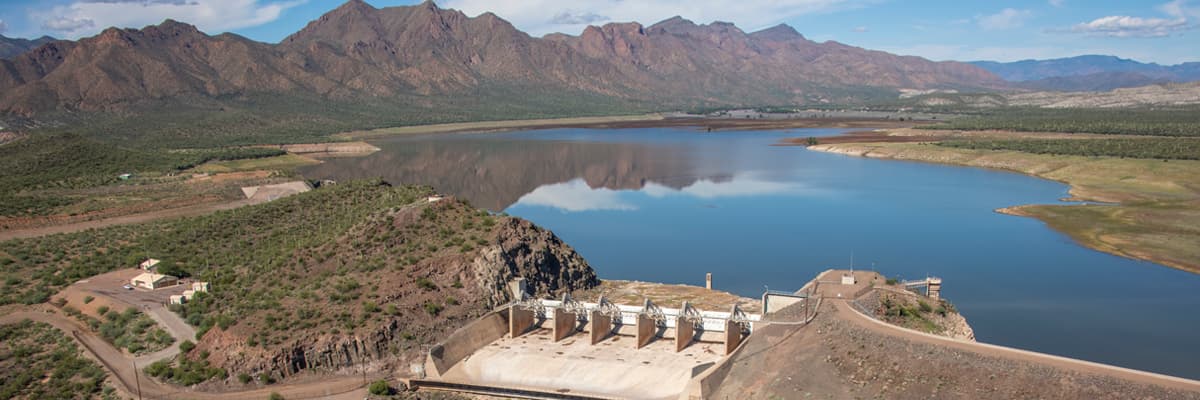
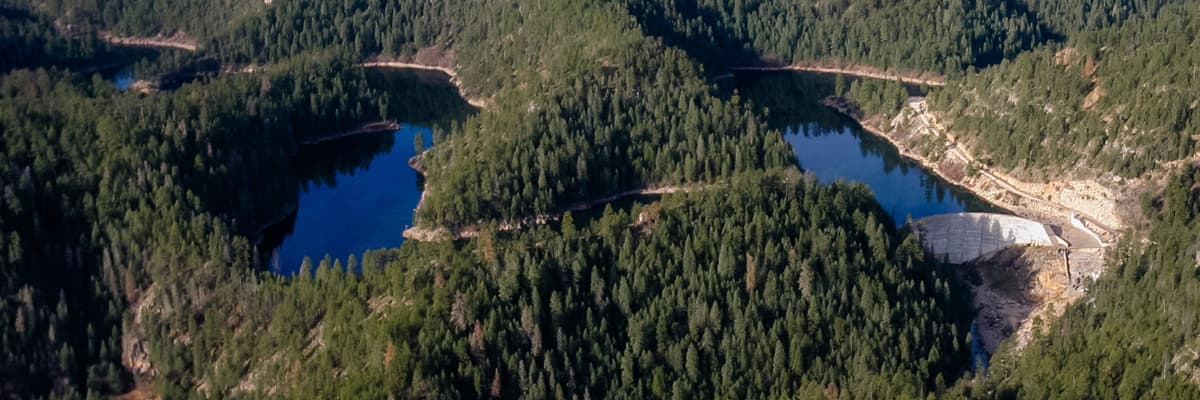
Water from rainfall and melted snow in the upper regions of the Salt and Verde watersheds begins in the mountains and flows through the forest, eventually forming the Salt and Verde rivers. These rivers enter a series of seven SRP-managed dams forming reservoirs and lakes. These reservoirs store a renewable and reliable water supply that allows for hydrogeneration and recreational opportunities. Learn more about where central Arizona's water comes from.
Our reservoir system can store about 750 billion gallons of water, allowing us to store excess water during wet seasons for times when we need it most, like droughts. Water is released from each dam to meet the delivery obligations for municipalities, residents and farmers throughout the Greater Phoenix area.
Capturing and storing water underground
In addition to the water stored in the seven reservoirs we manage, SRP has two underground storage facilities.
The Granite Reef Underground Storage Project (GRUSP) and the New River-Agua Fria River Underground Storage Project (NAUSP) store water in large underground aquifers, a process known as groundwater recharge.
Groundwater recharge involves storing water in an aquifer, a porous layer of underground rock, that can store water for future use.
During wet years, excess water is stored underground as another way to ensure the Valley has enough water during the dry years.
How groundwater recharge works
Water is fed from SRP’s canals into a large porous basin where it can seep down into the aquifer. When the water is needed, one of our nearby wells is used to pump it back up to the surface. At SRP, we regularly adjust how much water we pump from our wells based on how full our lakes are.
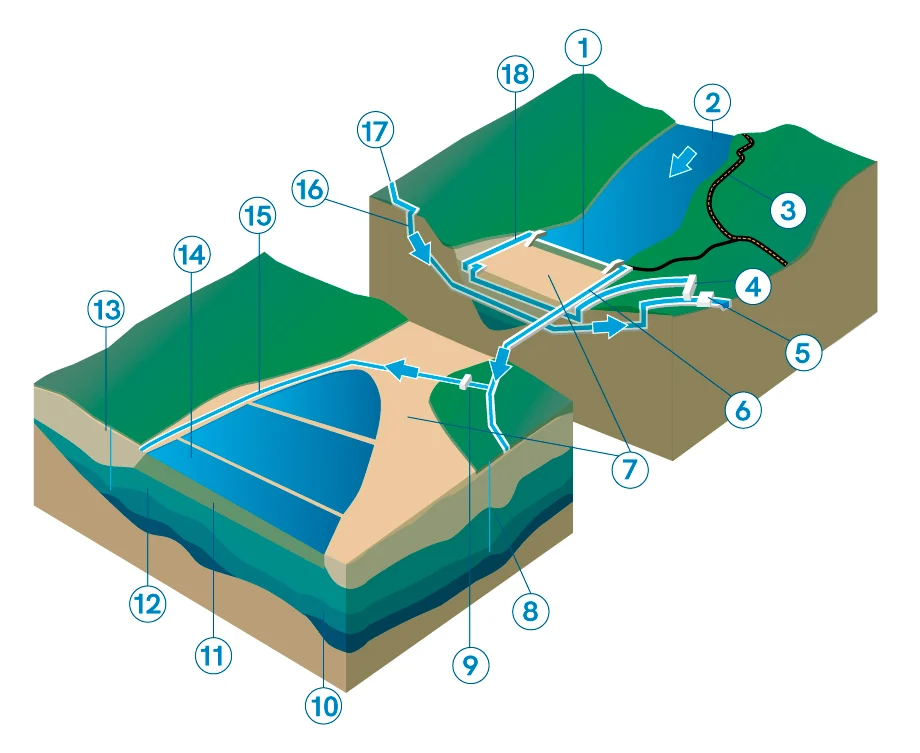
- Granite Reef Diversion Dam
- Salt River
- Bush Highway
- Interconnection (delivers Central Arizona Project [CAP] Canal water to SRP canals)
- CAP pumping plant
- SRP South Canal, 1908
- Salt River bed (usually dry)
- Monitor well
- Measuring station
- Regional alluvial aquifers
- Highly porous sand and gravel
- Groundwater "mound"
- Monitor well
- Recharge basins
- Delivery channel
- CAP Canal underground siphon
- CAP Canal, 1970–1987
- SRP Arizona Canal, 1883
Supplementing surface water with groundwater
The surface and groundwater supplies managed by SRP help provide the Valley with a reliable source of water, even in times of drought. Our 270 groundwater wells are capable of providing nearly half of the water SRP delivers each year. The groundwater and surface water supplies stored in SRP’s reservoirs are managed together to provide a reliable supply of water to SRP’s customers.
See where Greater Phoenix gets its water and our strategy for addressing Arizona’s drought.
SRP’s collaborative projects
SRP is collaborating on several key projects to improve water storage, enhance delivery infrastructure, and restore water capacity. Discover more about each project below.
Roosevelt Dam's Flood Control Space
SRP has received approval to extend the water retention time in Roosevelt Dam's Flood Control Space from 20 to 120 days. The ability to hold water for a longer period of time helps maximize water usage and allows SRP to hold an additional 100,000 acre-feet of water, which is enough to support 330,000 Valley households for a year.
The increased water storage allowed within the five-year authorization poses no risk to the dam or downstream areas. The proposal is the result of a collaborative effort between SRP, the U.S. Army Corps of Engineers, the U.S. Fish and Wildlife Service, U.S. Forest Service, Bureau of Reclamation, and a consortium of local cities, tribes and agricultural districts.
SRP-CAP Interconnection Facility (SCIF)
SRP is working with Central Arizona Project (CAP) and several other municipal partners on an interconnection project that would allow water stored in SRP's reservoirs to be pumped into the CAP canal and delivered to customers outside of SRP's water service territory.
Verde Reservoirs Sediment Mitigation Project (VRSMP)
SRP is working with the Bureau of Reclamation along with municipal, tribal and agricultural partners to restore water capacity lost due to sedimentation in the Verde reservoirs. One of the promising solutions identified in the Verde Reservoirs Sediment Mitigation Study Appraisal Report involves the construction of a new, larger Bartlett Dam to replace the existing dam, which would expand the reservoir's capacity as well as update the dam infrastructure to better manage sediment buildup.
Protecting Arizona’s water together
Managing the Valley’s water resources is a big job and one we can’t do alone.
That’s why we’ve partnered with Valley cities, the Central Arizona Project and the Arizona Department of Water Resources to help protect our water.
Collaborating to protect water rights
Maintaining and protecting the water rights of the Greater Phoenix area is an integral part of our water stewardship responsibility.
As part of this responsibility, we actively participate in:
- Rural water planning groups
- Regional water planning studies
- Water measurement activities
- New water supply development projects
SRP and its shareholders have some of the most extensive senior water rights on the Salt and Verde river watersheds. We work to maintain those legal rights that protect the Phoenix metropolitan area's water supply.
In addition, we've pursued the following unique agreement that has added to the regional water supply:
- An agreement with the Gila River Indian Community designed to make several million acre-feet of water supplies available to water users in central Arizona.
RELATED TOPICS
Annual Shareholder Compensation Program | SRP
Some water shareholders may be entitled to compensation for a portion of the amount paid to APS for electricity each year. Learn more about compensation here.
Water Conservation Expo | SRP
Learn about the SRP Water Conservation Expo — an event that brings together experts and the community to find new ways to help conserve this precious resource.
Water-saving guide and practical conservation tips
Dive into practical water-saving tips, learn about special offers on water-saving devices, and explore SRP's commitment to long-term water conservation.


