


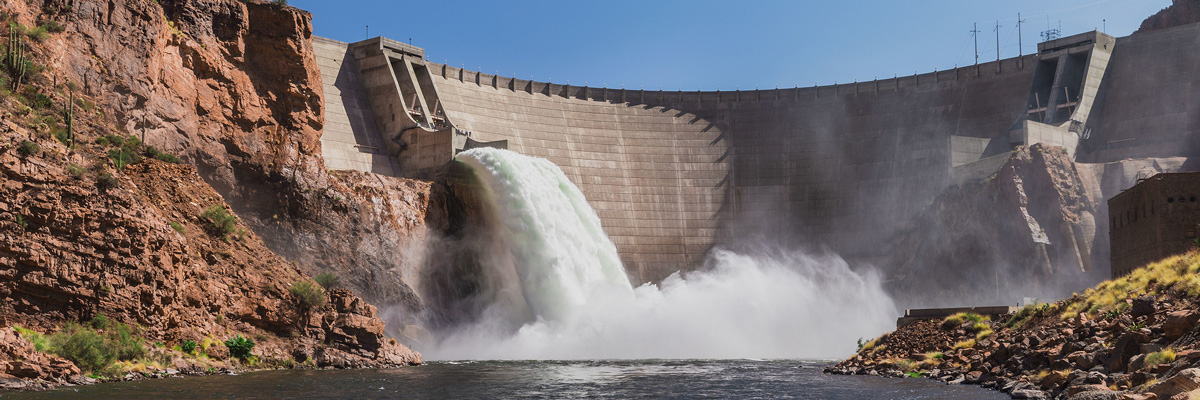
Theodore Roosevelt Dam and Lake
Explore the dam that helped tame the Salt River and laid the foundation for SRP.
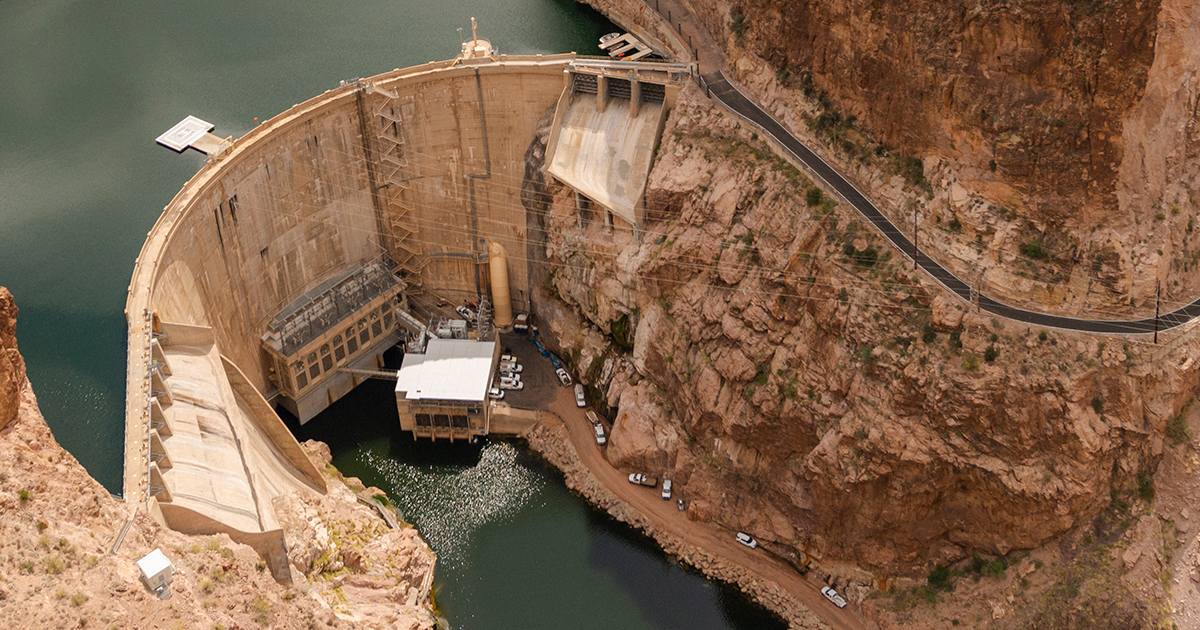
Theodore Roosevelt Dam stands at an impressive 357 feet tall, holding back more than 1.6 million acre-feet of water at Roosevelt Lake. It also holds a great deal of Arizona’s history.
The more-than-110-year-old dam helped early settlers tame the raging waters of the Salt River, bringing water to the desert and making economic development possible.
Today, it’s a vital part of a water delivery system responsible for delivering over half of the Valley’s yearly water supply.
Explore the wonders of this monumental human-made structure, from the time it was constructed to the plans we have for its future.
110 years of history and hydropower
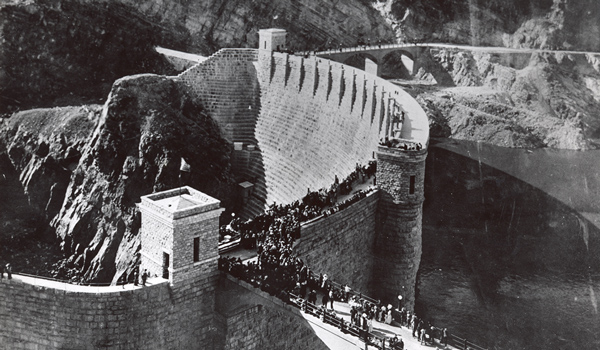
Completed in 1911
Theodore Roosevelt Dam was originally constructed between 1905 and 1911 to control the erratic flow of the Salt River and harness the water for irrigation. It was the cornerstone of the new SRP water delivery system.
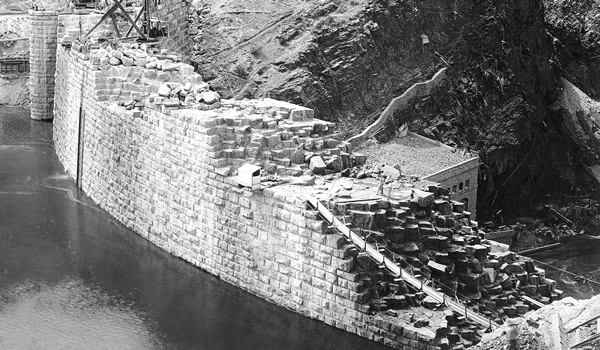
Uniquely constructed
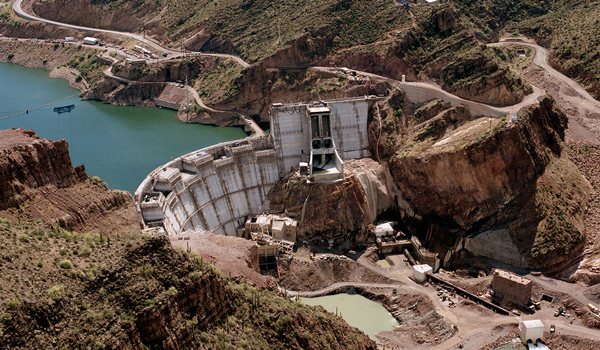
The dam is unique in the way it was originally constructed. It was the world's largest cyclopean masonry dam, a Greco-Roman style of building using huge, irregular blocks. It is now covered by new concrete.
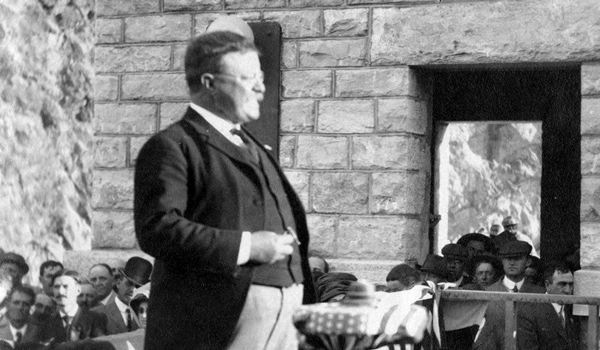
A presidential namesake
Once the world's tallest masonry dam, this structure is named after President Theodore Roosevelt, who was instrumental in approval of the Federal Reclamation Act of 1902 and who dedicated the original dam in March 1911.
Providing protection and power
In 1996 a $430 million modification project raised the height of the dam to 357 feet and expanded the lake's water conservation storage capacity by 20%, enough water for 1 million people. The dam now has electric hydrogeneration capacity of 36 megawatts (enough to power 30,000 homes) and provides substantial flood control.
Take a stroll back in time to discover more of the dam’s history.
Creating Arizona's largest lake
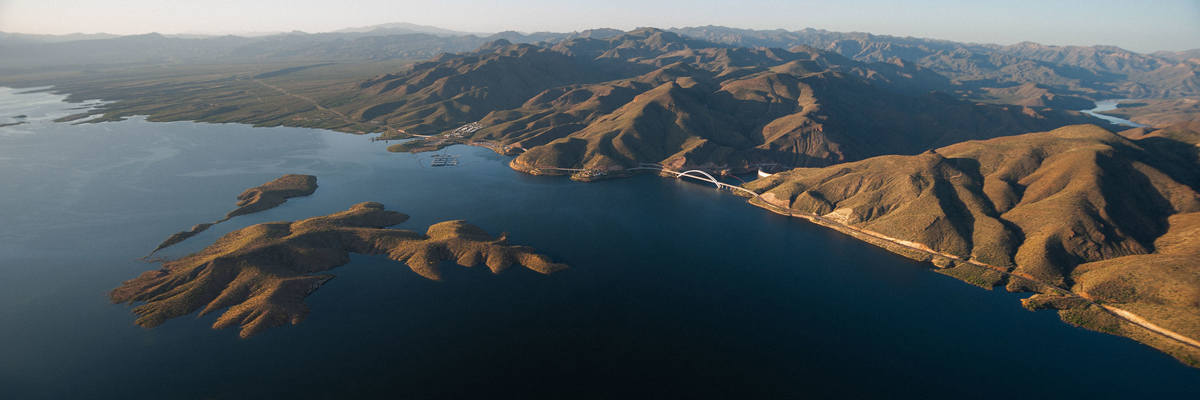
Theodore Roosevelt Dam forms Roosevelt Lake, the largest lake located entirely within Arizona's borders and a destination for fishing, boating and water sports.
- 22.4 miles long
- 21,493 acres of lake surface
- 128 miles of shoreline
- 188 feet maximum depth
- 1,653,043 acre-feet capacity
Roosevelt Dam Spill Gate Test
Every year at Roosevelt Dam, we conduct a spill gate test, required by the Bureau of Reclamation, to confirm operational readiness in the event of flooding. This consists of dam operators opening the reservoir flood gates to release water downstream where no water is wasted and remains a valuable water resource in Apache Lake.
Spend the day (or night) at Roosevelt Lake
Things to do at Roosevelt Dam:


Bird Watching
See blackbirds, finches, sparrows, great blue herons, vultures, hawks and more.
Find birding spots


Camping
Find places for tent camping, dispersed camping, RV camping and group camping.
Get your permit
Fishing
Hook crappie, carp, sunfish, flathead and channel catfish, smallmouth bass and largemouth bass.
See the fishing report
Roosevelt Lake Visitor Center
See views of the lake and artifacts from the people who lived here more than 600 years ago.
Get directions
Swimming
Find a place to take a dip. Make sure to check Roosevelt Dam water levels, as they affect water quality.
See lake levels
Tonto National Monument
Explore ancient Salado-style cliff dwellings overlooking the Tonto Basin.
See park infoBest enjoyed responsibly
Find resources to plan a safe and fun day on the water at Roosevelt Dam.
Official Arizona Boating Safety Course Online
Take the courseWatercraft Rules & Regulations
See the rulesRenew Your Watercraft Registration Online
Renew onlineProtect our lakes from aquatic invasive species
Quagga Mussel regulations
RELATED TOPICS
Salt River Project dam and lake management | SRP
Discover the role of dams in Arizona’s past, present and future, and see how SRP is managing them along the way.

Verde Reservoirs Sediment Mitigation Project | SRP
SRP is working to restore water capacity along the Verde River at Bartlett Reservoir to help protect the Valley’s water supply for generations to come.
Flowing into the future of water
The tech behind the scenes.