





Canal management and maintenance
Annual canal maintenance and dry-up schedule
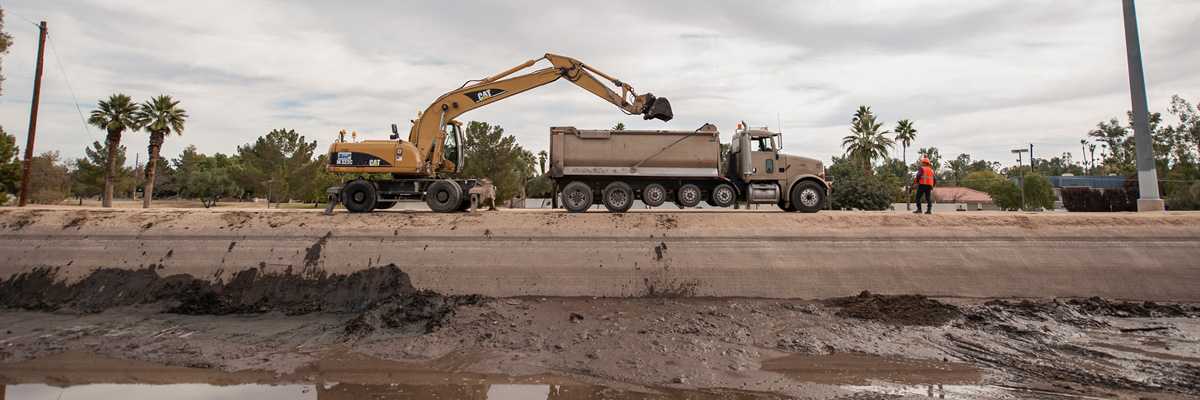
During dry-ups, fish are relocated, weeds and debris are cleaned from the canals, and repairs are made to ensure the canal system provides a consistent flow of water to our customers. For your safety, please stay clear of any canal construction and maintenance that may be taking place.
SRP performs dry-ups on a rotating 10-year schedule.
Nov. 20 - Dec. 24, 2026
Jan. 3 - Feb. 7, 2027
Questions? Call SRP Water Transmission at (602) 236-4956(602) 236-4956.
Why does SRP dry up the canals?
Dry-ups are part of our commitment to managing the Valley’s water supply responsibly. Our crews work to keep the canals in good shape and to maintain a special cement lining that helps prevent water loss.
Report dumping, damage and more
At SRP, we’re committed to keeping our community spaces safe, clean and accessible. If you notice vandalism, dumping or lighting outages, please let us know.
| To report | Contact |
| Graffiti on SRP canals, gates, etc | Water Customer Services (602) 236-3333(602) 236-3333 |
| Damage to SRP poles, transformers or other electricity structures | Residential Customer Services (602) 236-8888(602) 236-8888 |
| Suspicious dumping or contamination of our waterways | Water Customer Services (602) 236-3333(602) 236-3333 |
| Unauthorized motor vehicle or hazardous conditions | Security Operations Center (602) 236-5305(602) 236-5305 |
| Lighting outages | Your local government. File a report online. |
If you witness someone damaging facilities or any other suspicious or illegal activity, call local law enforcement.
Under the state Environmental Nuisance Law and Federal Clean Water Act, anyone vandalizing or dumping waste into our waters could be subject to fines of $10,000.
How canal maintenance supports Valley growth
By taking care of our canals, SRP is working to protect our waterways, prevent the loss of precious water and provide more community recreation spaces. Maintaining this critical infrastructure is part of our commitment to positioning the Valley for continued growth.
Eight municipal water treatment plants are located along the canals. These filtration facilities treat the water before it’s delivered to local residents and businesses.
A sustainable approach to cleaner canals
In 1989, SRP launched an innovative experiment. We released 1,800 white amur fish into the SRP canal system, and these weed-eating fish helped keep the canals clean and clear – without the need for harsh chemicals. Today, the White Amur Fish Program saves SRP hundreds of thousands of dollars in annual operating costs and continues to set a high standard for innovative and sustainable water management techniques.
SRP Zanjeros
Since the late 1800s, zanjeros have played a vital role in controlling the flow of water in the Valley.
Spanish for “ditch riders,” zanjeros once rode hundreds of miles along the canals on horseback, opening head gates to release water from the major canals. Today, they ride in white SRP trucks, but their mission remains the same. Learn about a day in the life of a zanjero.
RELATED TOPICS
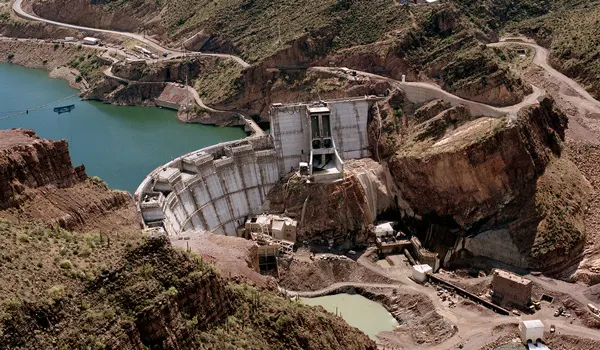
Driven to conserve water for a sustainable future
Through strategic partnerships, cutting-edge technology and innovative initiatives, SRP is dedicated to managing and securing the Valley's water supply.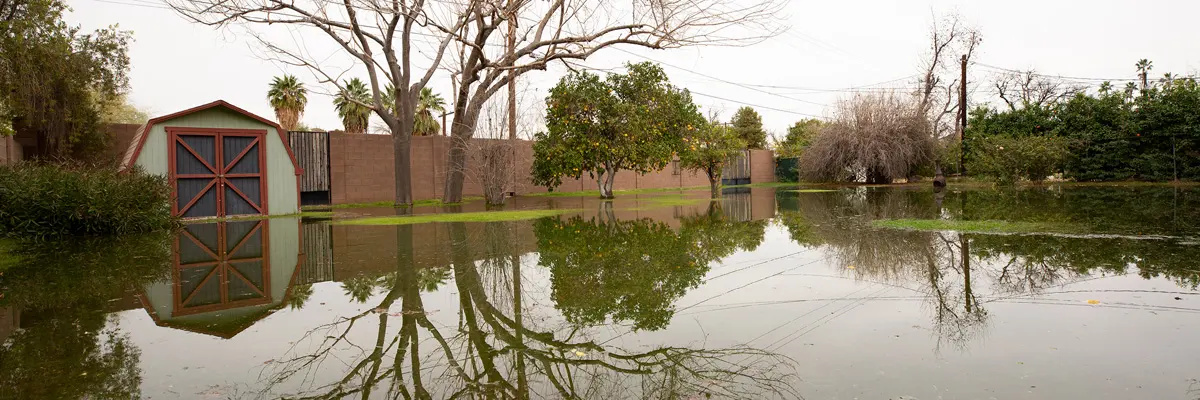
How flood irrigation works in the Phoenix area | SRP
Across the Greater Phoenix area, SRP delivers water to cities and irrigation customers using a system of canals. Learn about how that flood irrigation works.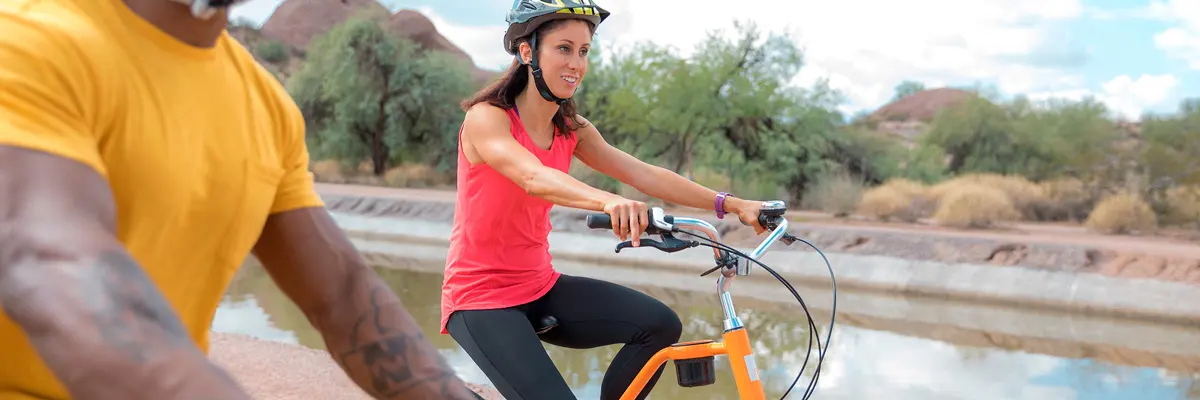
Map of canal trails and FAQ for Greater Phoenix | SRP
Walk, run or bike along the Phoenix canal trails that pave the way for fun and recreation. Find an official SRP canal map and safety info here.


