



SRP EZ-3 Price Plan™
If you can commit to limiting your energy use during three on-peak hours on weekdays, the SRP EZ-3 Price Plan could help you save.
A temporary price reduction for the summer.
Due to lower-than-expected natural gas and market power costs, SRP will temporarily lower prices by $0.0038 kWh during the May–October 2026 billing cycles.
Prices on this page do not reflect the temporarily reduced prices. Prices will return to the levels shown on this page effective with the November 2026 billing cycle.
On this page:
This price plan is discontinued
This price plan is no longer available for new enrollments and will be discontinued after the November 2029 billing cycle.
If you're currently enrolled in this plan, you may continue to be on it until the November 2029 billing cycle. SRP will notify you at least 120 days before the plan ends, so you have time to choose a new plan. You can also switch your plan any time before then.
Why is my price plan being discontinued?
On Feb. 27, 2025, SRP’s publicly elected Board approved the retirement of select price plans. To learn more about these changes, visit srp.net/resprices.
How it works
At certain times of the day, many people and businesses in the Valley are using energy, which puts pressure on the power grid. The SRP EZ-3 Price Plan offers price breaks for customers who can commit to shifting their energy use outside of those high-demand, or “on-peak,” hours.
Save money by limiting your energy use during on-peak hours, from either 3 to 6 p.m. or 4 to 7 p.m. on weekdays, year-round. Your reward? You’ll pay lower off-peak prices all other hours, including weekends and six observed holidays  . On-peak and off-peak pricing changes based on the season.


Pricing
Energy charge — Energy is priced per kilowatt-hour (kWh) and your monthly energy charges are based on the amount of energy used at on- and off-peak times during your billing cycle. Off-peak times (when demand is low) offer the lowest prices and vary by time of day and year.
EZ-3 3–6 p.m. weekdays
EZ-3 4–7 p.m. weekdays
Monthly service charge (MSC) — Your MSC helps cover the costs of customer service, billing and your connection to the grid.
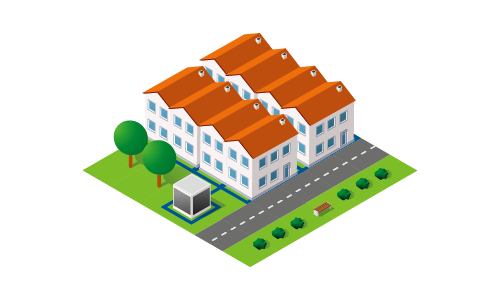
Tier 1
If you’re in an apartment, condominium or townhome, your MSC will likely be $20.
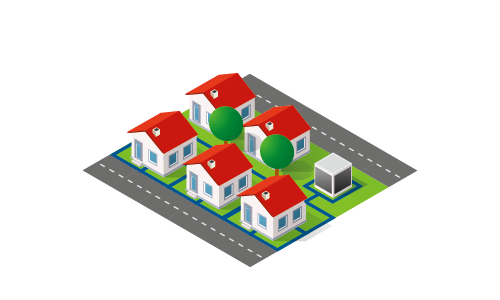
Tier 2
If you’re in an average single-family home, your MSC will likely be $30.
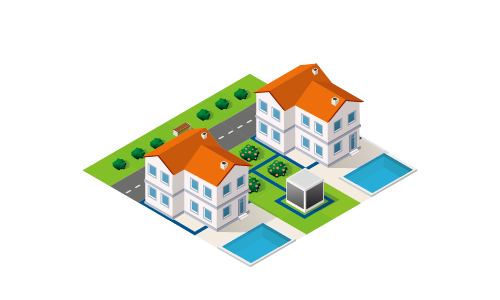
Tier 3
If you’re in a larger-than-average single-family home with high power usage (i.e., you have multiple pool pumps, EV charging stations and/or multiple AC units), your MSC will likely be $40.
Ready to change your price plan?
Explore these price plans and see if any of them fit your needs:
- Conserve 6–9 p.m. and Save
- Manage Demand 5–10 p.m. and Save
- Basic Price Plan
- SRP M-Power® Prepaid Price Plan
Try for 90 days.
Interested in changing your plan? Use our price comparison display to find the plan that works best for you. Please note that you must be at your residence for at least 12 calendar months to access the price comparison display.
Try Conserve 6-9 p.m. and Save or Manage Demand 5-10 p.m. and Save with a 90-day guarantee. If your first three bills aren’t lower than what they would have been on your current plan, contact SRP customer service. We will credit your bill the difference and return you to your current plan.
Basic and SRP M-Power price plans do not come with a 90-day trial or guarantee. If you switch to one of these plans, you will not be able to return to your EZ-3 price plan.
Questions? Call (602) 236-8888. We’re here to help 24/7.
For more information, see the EZ-3 / 3 to 6 p.m. and EZ-3 / 4 to 7 p.m. price plan sheets.
(excludes temporary price reduction).
View the rate book with the temporary May - October 2026 prices

FAQ
You can lower your SRP bill by shifting your energy use to off-peak hours through time-of-day plans such as the Time-of-Use or the SRP EZ-3 Price Plan™, using appliances like dishwashers and pool pumps outside of peak periods and precooling your home before higher-rate times. Customers can also take advantage of a free SRP Home Energy Assessment™ with tips and products to save energy, plus SRP Budget Billing™ to make payments more predictable. Customers who meet income guidelines can enroll in the SRP Income-Qualified Discount™ for monthly discounts or request payment plans if needed.
SRP is a community-based, not-for-profit organization that puts customers and Arizona’s long-term future first. Learn more about SRP.
As a not-for-profit utility, SRP reinvests revenue into operations, infrastructure and customer programs to help keep costs low. See SRP’s mission.
If you’ve ever wished that your electric bill stayed the same regardless of seasonal temperatures, then SRP Budget Billing may be a great option for you. Living in the desert comes with higher summer bills compared to winter, but with SRP Budget Billing, you’re able to pay a balanced and consistent rate each month. Learn more here.

RELATED TOPICS

Compare residential price plans | SRP
SRP offers a variety of price plans for our residential customers, so you can choose one that fits your lifestyle and your budget. Need help picking the right plan for you? Give us a call at (602) 236-8888. We’re here 24 hours a day, seven days a week.
SRP Time-of-Use Price Plan™ (Discontinued) | SRP
This price plan is no longer available for new enrollments and will be discontinued after the November 2029 billing cycle.

SRP rebates | SRP
Learn how to cut costs and reduce your energy use with SRP rebates and discounts.