




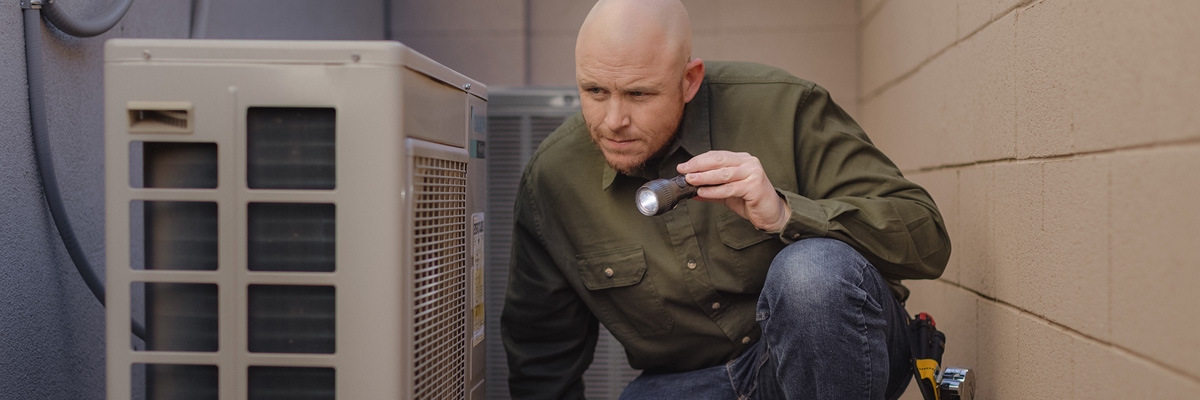
SRP air conditioning rebate
Upgrade to an energy-efficient AC and save
If you’re considering a new AC unit, heat pump or mini-split system, the SRP Cool Cash™ Rebate can help lower your costs. Here are some signs that it’s time to upgrade:
- Your equipment is 10-plus years old.
- Your system is extra noisy.
- Your unit runs longer to maintain the same thermostat setting.
Choosing a new unit
Arizona’s summers are hot, but that doesn’t mean that a large AC system is the best way to stay cool. A unit that’s too big for your home can lead to expensive energy bills and may cause “short cycling,” which will wear the unit out. Short cycling happens when an oversized AC cools your home quickly instead of gradually, causing the unit to rapidly turn on and off.
Qualifying AC units
Central AC, heat pump and mini split packages and systems
| Compressor | SEER2  | Heat Pump (Rebate per ton) | AC (Rebate per ton) |
Good: Single-stage | 15.2 or higher | $75 | $75 |
Better: Multi-stage | 15.2 or higher | $150 | $150 |
Best: Variable-capacity | 15.2 or higher | $225 | $225 |
Best: Inverter-driven mini split | 15.2 or higher | $225 | — |
Mini-splits can be ducted or ductless. Incentives paid by ton or half-ton of the system's nominal cooling capacity as listed by manufacturer's specifications.
Work with a qualified contractor
A participating contractor can help you choose the best system to keep you comfortable all summer long. They’ll also make sure it’s installed according to industry and manufacturer specifications so that it works at peak efficiency.
Estimated savings
Compressor type: Single-stage (16-SEER/15.2-SEER2)
| Size (tons) | 1-year savings estimate** | 15-year savings estimate** |
| 3 | $240 | $3,600 |
| 4 | $320 | $4,800 |
| 5 | $400 | $6,000 |
Compressor type: Multi-stage (18-SEER/17.0-SEER2)
| Size (tons) | 1-year savings estimate** | 15-year savings estimate** |
| 3 | $300 | $4,500 |
| 4 | $400 | $6,000 |
| 5 | $500 | $7,500 |
Compressor type: Variable-capacity (21-SEER/20.0-SEER2)
| Size (tons) | 1-year savings estimate** | 15-year savings estimate** |
| 3 | $370 | $5,500 |
| 4 | $490 | $7,350 |
| 5 | $610 | $9,150 |
**Results will vary. Assumes replacement of existing 11 SEER system, $0.11/kWh and 2,141 cooling hours.
Apply for the SRP Cool Cash™ Rebate
- Download the Cool Cash Rebate checklist.
- Download the Contractor Terms and Conditions agreement and have your qualified contractor sign the form.
- Complete the online application via SRP’s Rebate Center (Opens in a new tab). By creating an account, you can manage all SRP rebates in one place. You’ll upload the contractor agreement as part of this process.
Calling all contractors: Apply for the rebate on behalf of your customers! Follow the same steps above.
Rebate program requirements
To participate, you must:
- Be a permanent SRP residential electric customer who lives in a single-family detached home, single-family attached home, mobile home or apartment/condo.
- Have the qualified system installed by a contractor licensed in Arizona to install residential air-conditioning systems before April 30, 2027.
- Replace or supplement an existing central heat pump or central AC with a new high-efficiency system that meets minimum efficiency ratings.
- Submit Manual J load calculations with your application on single-stage systems (otherwise, your application will be delayed or denied). Load calculations are not required for multi-stage or variable-capacity systems.
- Allow, upon request, SRP or our agent to inspect the installed unit to verify compliance with Cool Cash requirements.
Please note:
- New Construction homes, window units, and installations in garages and other non-habitable spaces do not qualify for the rebate.
- Both indoor air handler and condensing units must be replaced on split central systems.
- REBATE MUST BE SUBMITTED WITHIN 6 MONTHS OF INSTALLATION.
- Please read the Terms and Conditions for complete program requirements.
The State of Arizona offers a Weatherization Assistance Program (Opens in a new tab) (WAP) available for households with lower incomes that qualify for Supplemental Security Income, Aid to Families with Dependent Children, and other income eligibility criteria. This program includes a home energy assessment and common home improvements such as testing, tuning, and maintaining cooling and heating equipment. In some cases, cooling and heating equipment may be replaced with new equipment. Please see the link (Opens in a new tab) for additional information.
The State of Arizona also offers the Efficiency Arizona (Opens in a new tab) program, which may provide rebates for qualifying households installing energy-efficient electric technologies, including heat pumps, heat pump water heaters and other home energy upgrades. Eligibility requirements and available rebate amounts are determined by the state. Please see the link (Opens in a new tab) for additional information.
Other ways to improve your AC
Leave the air vents open.
Do moisture-producing chores when it is cooler.
Install a programmable thermostat.
Turn your air-conditioning fan to "auto."
Buy a higher-SEER unit when replacing your cooling system.
FAQ
The seasonal energy efficiency ratio (SEER) measures how efficiently a central cooling system will run during an entire cooling season. The ratio is calculated by dividing the cooling output of the air conditioner (or heat pump) by the energy it uses in kilowatt hours. The higher the SEER rating, the more comfort you get for each dollar spent.
While SRP does not endorse any particular contractor, working with a qualified contractor ensures that the unit you buy and its installation follow industry and manufacturer standards. This also ensures your eligibility for the SRP Cool Cash Rebate.
- Paid-in-full itemized invoice or receipt
- AHRI reference number
- Model/unit number
- Coil model number
- Furnace model number, if applicable
- System type
- Compressor type
- Size of system in tons
- Signed Contractor Terms and Conditions agreement
For a more detailed list, download the SRP Cool Cash Rebate checklist. Most of these items will be provided by your contractor.
Yes. If you've installed a new energy-efficient unit that meets our rebate requirements within the last six months and have paperwork showing the installation date, you can apply.
No. At this time, our current rebate is only for new units.
Questions?
This program is in partnership with the Electric League of Arizona (ELA). For questions, call ELA at (602) 264-3108(602) 264-3108 or email [email protected].
SRP reserves the right to change or cancel this promotion and its terms and conditions at any time.
RELATED TOPICS

Smart thermostat rebates | SRP
Find out how to save on a new smart thermostat and get a rebate off your SRP bill when you join the SRP Bring Your Own Thermostat program™ (BYOT).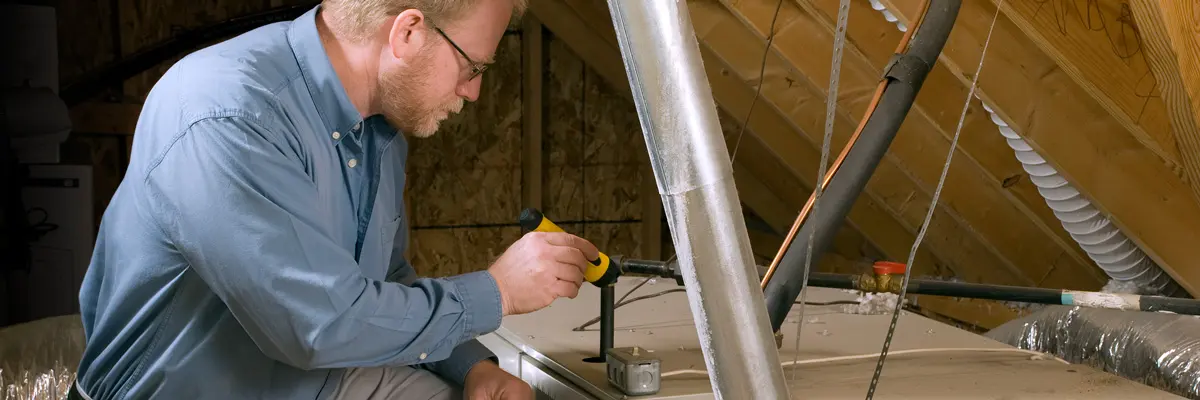
Air duct test, seal and repair rebate | SRP
Our SRP Duct Test and Repair Rebate™ helps you identify places in your home where energy escapes and save on repair costs and testing.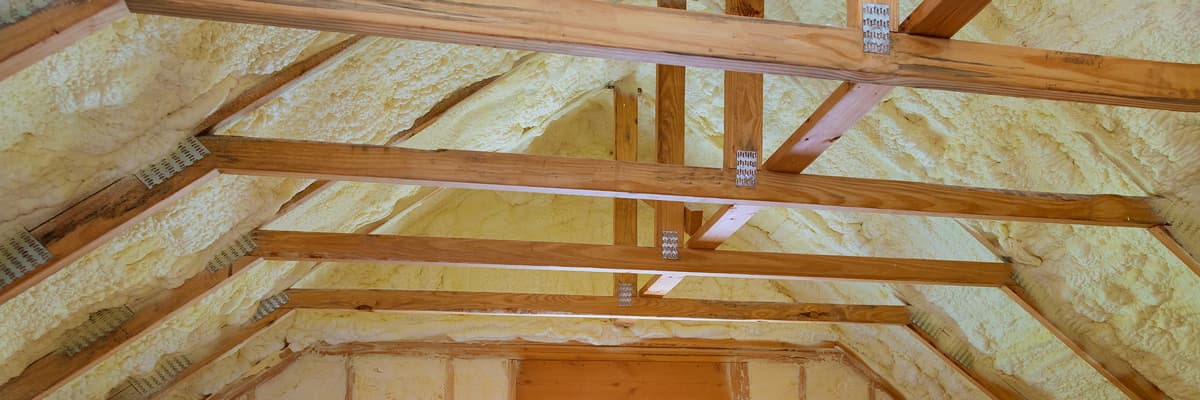
Insulation rebate | SRP
Insulation can cut your cooling and heating costs down. Find out how to save up to 75% on professionally installed attic insulation with a rebate from SRP.


